SHARE THIS ARTICLE
RECENT ARTICLES
Unleash the potential of your business with Ex-works
Ex-works has assisted companies globally in imports and exports. Allow us to handle all your shipments so you do not face any challenges during the customs clearance process in the Philippines. We also offer customs clearance services at a small cost if you need to deliver urgently and save time. Open an account today with Ex-works, and let us assist your business in overcoming the obstacles of international customs.
SHIP IN MORE THAN 180 COUNTRIES
-
Wholesale Rate
-
Global Network
-
Online Tracking
-
Simplified Shipping
GROW YOUR BUSINESS FROM ANYWHERE.
SUBSCRIBE TO EX-WORKS24/7 NEWS LETTER
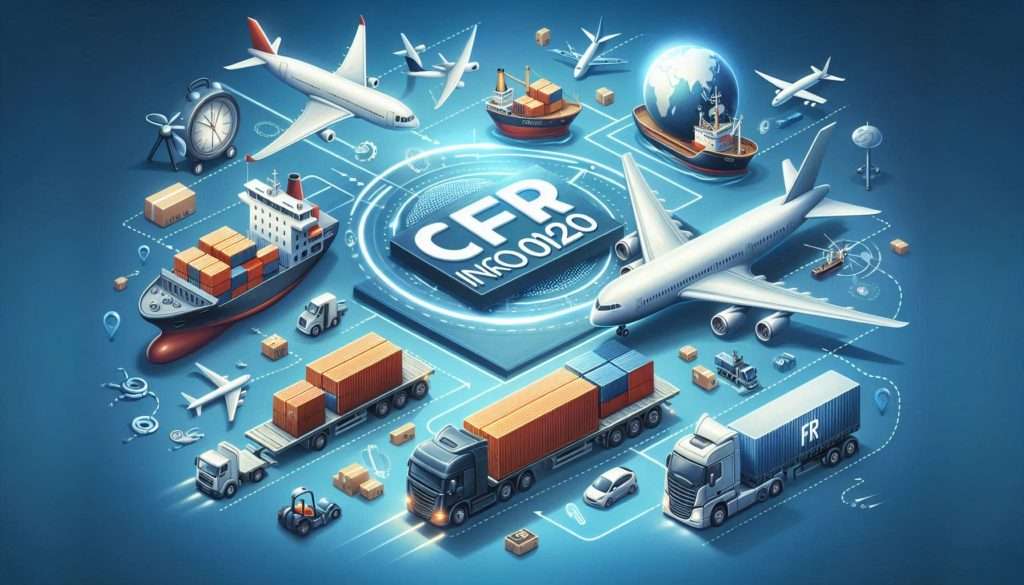
If you are a global trader you should be familiar with CFR meaning. In the world of global trade, clear shipment terms are crucial for successful transactions. Among the terms in Incoterms 2020 by the International Chamber of Commerce (ICC), CFR (Cost and Freight) is significant. This blog aims to explain CFR meaning in Incoterms 2020, highlighting its implications, duties, and benefits for buyers and sellers.
CFR (Cost and Freight) Incoterms 2020 are commonly used by exporters and importers involved in international trade, particularly those dealing with goods transported via sea freight. Industries such as manufacturing, retail, and wholesale, where sea transportation is prevalent, frequently utilize CFR terms. Additionally, businesses engaged in importing raw materials or finished products via ocean vessels often opt for CFR terms to delineate responsibilities and costs effectively between the parties involved in the transaction.
Understanding CFR Meaning
CFR, or Cost and Freight, means the seller covers costs and freight to bring goods to the named destination port. Once delivered, risk shifts from seller to buyer.
Advantage on CFR Meaning
For sellers, CFR terms simplify pricing, focusing only on freight costs to the destination port, streamlining negotiations. Buyers gain clarity on risk transfer, enhancing confidence in shipping.
Both Parties consideration
Clear definition of the destination port in the contract is crucial for avoiding confusion. Understanding local customs regulations and import procedures at the destination port is essential for a smooth transaction.
Conclusion: CFR Incoterms 2020 establish a structured framework for global trade, ensuring clarity and fairness in shipments to destination ports. Understanding the implications and responsibilities of CFR terms empowers both buyers and sellers in navigating global trade efficiently and confidently.