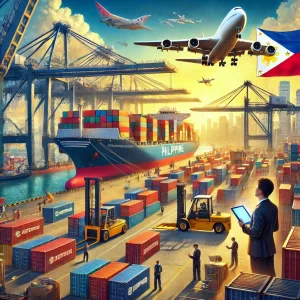
EV Car shipping is gaining attention as the Philippines upgrades customs systems and strengthens trade facilitation. Officials say modern procedures aim to support secure supply chains and faster vehicle imports. Meanwhile exporters and logistics firms expect smoother documentation under digital processing reforms. The Bureau of Customs also promotes trusted traders through the AEO Program. Moreover industry groups believe efficient clearance can improve Philippine export competitiveness and shipping links. However companies still request clear guidelines for electric vehicle logistics and compliance.
EV Car shipping and Customs Modernization
Government planners highlight digital customs modernization as a key step for reliable EV logistics. Consequently importers can submit permits, invoices, and packing data through integrated trade facilitation platforms. Moreover secure data exchange helps authorities monitor batteries, safety compliance, and environmental rules. Industry analysts note electric vehicle demand rising among Philippine businesses and urban drivers. Therefore shipping providers are expanding documentation support and cargo visibility tools.
EV Car shipping Safety and Port Readiness
Logistics companies emphasize careful handling because EV batteries require safety declarations and specialized cargo planning. In addition carriers review International Maritime Dangerous Goods guidance for lithium battery transport. Meanwhile Philippine ports continue upgrading inspection equipment and container scanning systems. Consequently regulators say transparent processes strengthen supply chain security and investor confidence. However stakeholders still seek clearer turnaround estimates for EV shipments entering Manila and other gateways.
How to Request a Quote
Looking for fast rates from a reliable logistics company like Ex-works Cargo? A professional freight forwarder is your best choice for port-to-port shipping.
Before hiring, always verify a company’s credentials to avoid scams. Request a copy of their DTI-FTEB accreditation for all sea shipments. For air freight, ensure they hold a valid CAB accreditation. Many individuals falsely claim to be authorized forwarders.
To get an accurate shipping quote, please provide these essential details:
Country of origin and final destination.
Car year model and gross weight.
Packing List and commercial invoice value.
Forwarders excel at providing comprehensive door-to-door delivery services. Simply provide the exact pickup location and the final delivery address.
Clear communication regarding shipping costs is vital for a smooth process. Determine who handles the loading charges at the origin. Additionally, confirm who is responsible for unloading fees at the destination. Defining these responsibilities early prevents unexpected expenses. Choosing a licensed expert ensures your cargo remains secure throughout the journey.
EV Car shipping and Export Supply Chains
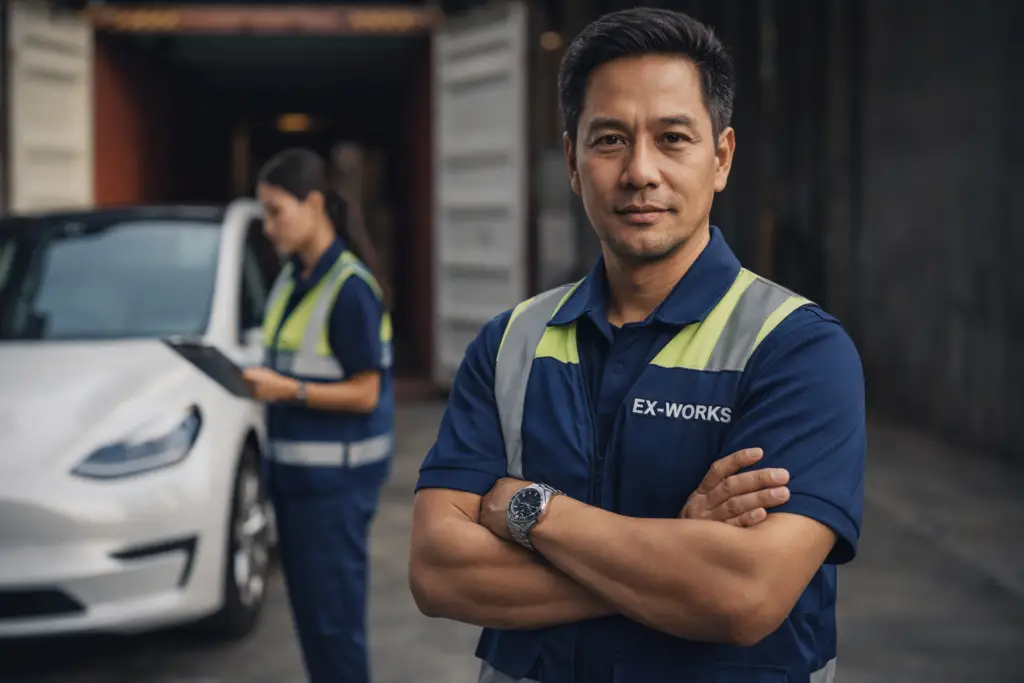
Export groups say improved logistics also support Philippine manufacturers sending parts to regional electric vehicle plants. Moreover faster port processing may reduce dwell time and stabilize freight costs. Trade economists add predictable rules help small exporters join global supply chains. Consequently policymakers continue consultations with shipping lines, brokers, and automotive importers. Meanwhile customs officials encourage qualified firms to pursue trusted trader accreditation.
Outlook for Philippine Trade
Market observers believe steady EV Car shipping demand will follow broader electric mobility adoption. However they stress that compliance, insurance, and accurate declarations remain essential. In addition freight forwarders advise early coordination with Philippine customs brokers and port operators. Therefore, transparent documentation helps prevent delays and strengthens secure trade corridors. Consequently, businesses exploring EV imports increasingly request detailed shipping quotations and compliance guidance.
Frequently
Asked Questions
Shipping an electric vehicle to the Philippines usually requires vehicle specifications, battery details, commercial invoice, packing list, and origin information. Importers also provide consignee details, port destination, and preferred incoterm so freight forwarders can prepare shipping quotations and compliance checks.
Transit time for EV Car shipping to the Philippines depends on origin port, shipping route, vessel schedule, and customs processing. Moreover digital trade facilitation systems may shorten documentation checks helping cargo move faster through Manila, Cebu, or Davao gateways today.
Lithium battery information is essential for EV Car shipping because carriers follow dangerous goods rules. Importers usually submit battery capacity certification, handling instructions, and packaging compliance documents. Consequently authorities can verify safety standards before cargo loading and Philippine port arrival.
Shipping costs vary based on vehicle size, container type, insurance, battery classification, and port charges. Importers requesting EV Car shipping quotes should also consider customs duties, taxes, brokerage fees, and inland delivery. Consequently, quotations support better budgeting for Philippine imports.
A freight forwarder coordinates trucking, export clearance, ocean booking, insurance, and Philippine customs brokerage for EV Car shipping. Moreover they guide importers on documentation, duties, battery declarations, and port procedures. Consequently businesses gain visibility, compliance support, and smoother cargo delivery.