SHARE THIS ARTICLE
RECENT ARTICLES
Unleash the potential of your business with Ex-works
Ex-works has assisted companies globally in imports and exports. Allow us to handle all your shipments so you do not face any challenges during the customs clearance process in the Philippines. We also offer customs clearance services at a small cost if you need to deliver urgently and save time. Open an account today with Ex-works, and let us assist your business in overcoming the obstacles of international customs.
SHIP IN MORE THAN 180 COUNTRIES
-
Wholesale Rate
-
Global Network
-
Online Tracking
-
Simplified Shipping
GROW YOUR BUSINESS FROM ANYWHERE.
SUBSCRIBE TO EX-WORKS24/7 NEWS LETTER
As a trader we should understand the FAS meaning in incoterms 2020. In the dynamic world of international trade, understanding the nuances of shipping terms is essential for smooth transactions. Among the array of options provided by the Incoterms rules, Free Alongside Ship (FAS) emerges as a significant concept. This blog post aims to delve into the meaning and implications of FAS within the framework of Incoterms 2020, shedding light on its importance and practical applications.
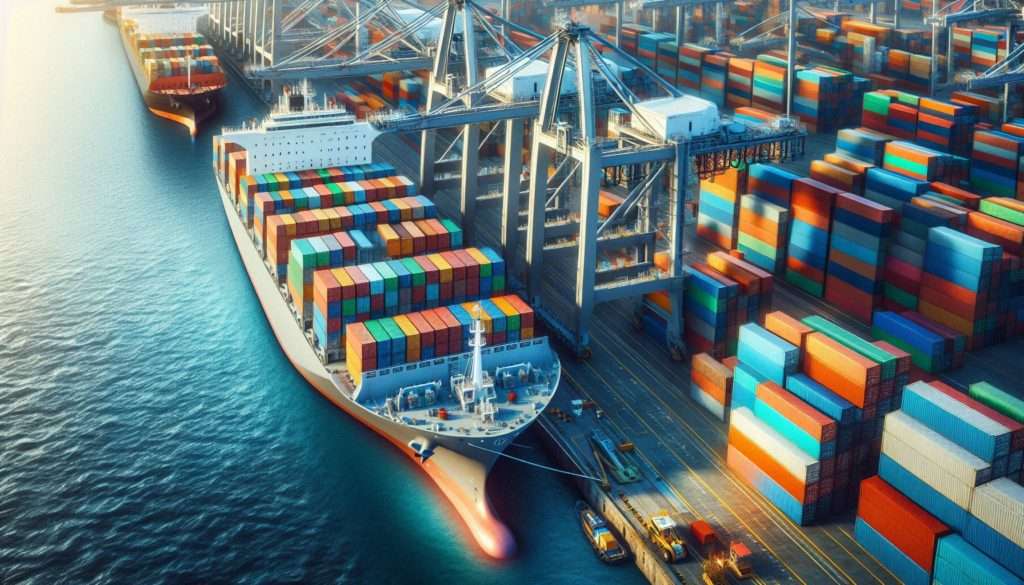
FAS (Free Alongside Ship) Incoterms 2020 are commonly used by exporters and importers involved in international trade, particularly those dealing with bulk goods that are loaded onto conventional ships. Industries such as mining, agriculture (for commodities like grain), and manufacturing (for raw materials like metals) frequently utilize FAS terms when shipping their products via sea freight. Additionally, FAS terms are suitable for transactions where the buyer prefers to manage the transportation arrangements themselves and has the capability to handle the logistics of loading goods directly onto the ship at the port of shipment.
FAS Meaning and understanding deeper
Free Alongside Ship, commonly abbreviated as FAS, is a critical trade term defining the seller’s responsibilities until the goods are placed alongside the vessel designated by the buyer at the named port of shipment. As outlined in Incoterms 2020, under FAS, the seller’s obligation concludes when the goods are delivered to the side of the vessel, ready for loading.
FAS Meaning and Keypoints
Seller’s Duties: FAS places the responsibility of delivering the goods alongside the vessel at the named port of shipment on the seller. This includes ensuring that the goods are cleared for export and delivered to the side of the vessel for loading.
Transfer of Risk: Risk transfers from the seller to the buyer once the goods are placed alongside the vessel at the named port of shipment. From this point onward, the buyer assumes responsibility for any loss or damage to the goods.
Buyer’s Responsibilities: Following the transfer of risk, the buyer is responsible for arranging and covering the costs of marine transportation, insurance, and any further expenses associated with transporting the goods to the final destination.
Practical Applications
FAS is commonly used in international trade transactions, particularly for goods transported via sea freight. It provides clarity and simplicity in shipping arrangements, ensuring smooth transactions between buyer and seller. FAS is advantageous for buyers who have expertise in logistics and prefer to manage transportation arrangements themselves.
Conclusion: In conclusion, Free Alongside Ship (FAS) plays a crucial role in Incoterms 2020, defining seller obligations and the transfer of risk in international trade transactions. Understanding the intricacies of FAS is essential for businesses engaged in global commerce, as it directly influences the distribution of responsibilities and liabilities between the parties involved. By comprehending the meaning and implications of FAS, businesses can make informed decisions, mitigate risks, and ensure smoother transactions in the ever-evolving landscape of international trade.