Project Cargo: Successful Transportation – The Expert Says It All
Project Cargo: Successful Transportation – The Expert Says It All
Project Cargo: Successful Transportation – The Expert Says It All
SHARE THIS ARTICLE
RECENT ARTICLES
Unleash the potential of your business with Ex-works
Ex-works has assisted companies globally in imports and exports. Allow us to handle all your shipments so you do not face any challenges during the customs clearance process in the Philippines. We also offer customs clearance services at a small cost if you need to deliver urgently and save time. Open an account today with Ex-works, and let us assist your business in overcoming the obstacles of international customs.
SHIP IN MORE THAN 180 COUNTRIES
-
Wholesale Rate
-
Global Network
-
Online Tracking
-
Simplified Shipping
GROW YOUR BUSINESS FROM ANYWHERE.
SUBSCRIBE TO EX-WORKS24/7 NEWS LETTER
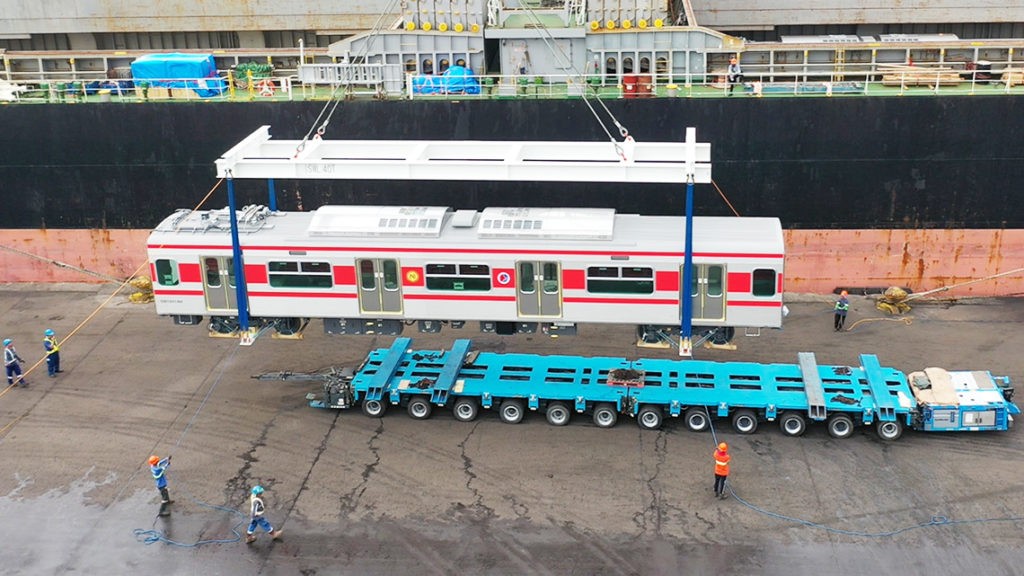
Project cargo requires special attention throughout the process, careful assessment and detailed planning of operations as the cost of damage or loss in this type of shipment can be very high, potentially millions of dollars. It is so important that the logistics companies offering this service take every precaution to provide an effective solution that meets the needs of your project.
In the realm of logistics, project cargo stands as a unique challenge. Unlike standard freight, project cargo encompasses large, bulky, and often complex shipments that demand meticulous planning and execution. Whether you’re shipping heavy machinery, industrial equipment, or components for large-scale construction projects, ensuring the success of project cargo requires a strategic approach. Ensuring the successful transportation of project cargo involves careful planning, collaboration, and attention to various factors. Here are some key considerations to help you achieve a smooth project cargo operation:
Reliable Partner for Project Cargo
- The first step is to align all parties involved in the transportation effectively. Collaborate with reliable freight forwarders, carriers, and other logistics partners. Their expertise and experience are crucial for handling project cargo efficiently.
Subscribe to the Ex-works24/7 newsletter
Customs Regulations
Customs clearance can be complex due to varying regulations across different countries. Research and understand the tax, duty, and inspection requirements specific to your shipping route. Compliance with local regulations is essential to avoid delays and penalties.
Cargo Design
Consider how the cargo is designed and whether transportation dictates its manufacturing process. For instance, decide whether to deliver it as one unit or produce it in multiple parts for on-site assembly. Transportation analysis can help optimize cargo design before sourcing or manufacturing.
Project Cargo Mode Optimization
- Different transportation modes (road, rail, air, ocean, or inland barge) have varying transit times and restrictions. Consult transportation specialists with in-country knowledge to choose the most suitable mode based on cargo dimensions and weight.
Change orders and Delivery Timelines
Be prepared for any changes or delays in material sourcing, production, or delivery. Adjustments can impact lead times and costs. Flexibility and contingency planning are essential to mitigate potential problems.
Project Cargo Risk Management
Identify potential risks and develop contingency plans to address them proactively. Factors such as adverse weather conditions, route restrictions, and regulatory hurdles can impact the smooth flow of project cargo. By anticipating these challenges and having backup strategies in place, you can minimize disruptions and keep the project on track
Communication and Coordination
Effective communication is paramount in project cargo logistics. Maintain open lines of communication with all stakeholders involved in the shipment, including suppliers, carriers, project managers, and clients. Clear and timely communication ensures that everyone is aligned on expectations, schedules, and any changes or challenges that may arise.
Project Cargo Continuous Improvement
After each project cargo operation, conduct a comprehensive review to assess performance, identify areas for improvement, and capture lessons learned. Use this feedback to refine your processes, enhance efficiency, and strengthen your capabilities for future projects.
Conclusion: Achieving mastery in project cargo demands a mix of careful planning, strategic collaborations, risk mitigation, and clear communication. By adhering to these principles and consistently fine-tuning your strategy, you can guarantee the smooth handling of complex cargo shipments. Always bear in mind that success in project cargo logistics extends beyond mere transportation; it’s about providing value, dependability, and assurance to your clients.
Frequently
Asked Questions
Project cargo refers to large, heavy, oversized, or specialized goods that require bespoke planning and execution for transportation. Unlike standard cargo, which can generally be transported in containers or on regular shipping routes, project cargo often involves customized solutions such as special equipment, heavy-lift cranes, and sometimes specific routes. Project cargo can include items like industrial machinery, construction materials, turbines, or infrastructure components that don’t fit conventional shipping methods.
Planning for project cargo transportation requires careful coordination and foresight. The key steps include:
- Pre-shipment surveys: Assess the cargo's dimensions, weight, and special handling needs.
- Route planning: Choose the most efficient and safe route, considering factors like road infrastructure, permits, and possible obstacles (e.g., bridges, tunnels, power lines).
- Equipment selection: Identify and arrange the necessary transportation modes (e.g., flatbeds, cranes, roll-on/roll-off vessels) to handle the cargo's size and weight.
- Regulatory compliance: Ensure all customs, import/export documentation, and permits are in place.
- Logistics coordination: Schedule the entire process to ensure timely loading, unloading, and delivery.
Common challenges include:
- Permitting and legal requirements: Many regions require special permits for oversized or heavy cargo. These can be time-consuming to secure, but early preparation and working with experienced logistics providers can minimize delays.
- Weather and environmental conditions: Bad weather can disrupt transportation schedules, particularly when moving overland. Flexible scheduling and contingency planning help mitigate this risk.
- Equipment limitations: Specialized cargo may require specific types of vehicles or cranes. Ensuring the proper equipment is available and ready at the right time is crucial.
- Handling delays: Delays at ports, customs, or with unloading can be costly. Proper coordination, clear communication with all parties, and contingency planning can help avoid these delays.
Risk management in project cargo is crucial due to the high value and complexity of the shipments. Key risk management strategies include:
- Comprehensive insurance: Ensure that the cargo is covered by marine, transit, and liability insurance, particularly if it is fragile or very expensive.
- Detailed route assessments: Conduct surveys to identify any potential physical risks along the planned route (e.g., low bridges, restricted roads).
- Contingency planning: Have a backup plan for unexpected events like delays, accidents, or route changes, ensuring there's flexibility built into the schedule.
- Collaborative approach: Work closely with all parties involved, from the shipper and freight forwarders to carriers and local authorities, to minimize the chance of issues arising.
Freight forwarders and project logistics experts play a vital role in managing the complex logistics of project cargo. Their expertise includes:
- Coordination and planning: They manage every aspect of the shipment, from route planning to obtaining permits, ensuring compliance, and managing third-party vendors.
- Expert knowledge of regulations: They ensure all customs regulations, export documentation, and specialized permits are addressed correctly.
- Specialized equipment and handling: They often have access to unique equipment (like heavy-lift cranes or flatbed trailers) and can source the right resources for complex transportation.
- End-to-end visibility: They provide tracking and status updates, helping clients stay informed throughout the entire process and address any issues proactively.
By leveraging the expertise of freight forwarders and logistics professionals, companies can successfully navigate the intricacies of transporting project cargo.