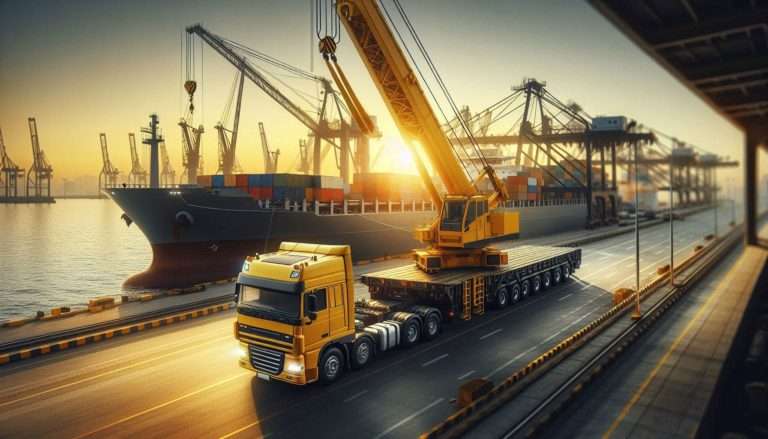
Shipping Special Purpose Vehicles (SPVs) in the Philippines poses distinct hurdles stemming from regulatory intricacies, infrastructure constraints, and geographical diversity. This study explores the logistics of SPV shipment within the Philippine archipelago, emphasizing the utilization of Ex-works Cargo to optimize the process.
Special Purpose Vehicles (SPVs) encompass a broad range of vehicles designed for specific functions, including but not limited to, fire trucks, ambulances, and construction vehicles. Their transportation requires meticulous planning and coordination to ensure timely delivery and compliance with local regulations.
Shipping Special Purpose Vehicles challenges
1. Compliance with Regulations: The Philippines enforces rigorous rules governing the import and movement of vehicles, including Special Purpose Vehicles (SPVs). Acquiring essential permits and clearances often entails a time-consuming and intricate process.
2. Challenges in Infrastructure: The varied terrain and occasionally insufficient infrastructure in the country present obstacles in transporting large and weighty SPVs, particularly to distant or inaccessible regions.
3. Coordinating Logistics: Facilitating the transfer of SPVs from manufacturers to end-users necessitates collaboration among various stakeholders, such as manufacturers, freight forwarders, customs officials, and local governing bodies.
The Case Study
A Japanese Company making huge cranes and fire trucks wanted to ship them efficiently to different places in the Philippines. They chose Ex-works Cargo. Here, the maker gets the goods ready at their place, and the buyer arranges shipping, insurance, and customs.
The Key Steps
Preparing and Packing: The maker makes sure the SPVs are packed well for transport, considering size, weight, and any special needs.
Working with Shipping Companies: The buyer talks to experienced shipping companies that know how to handle big cargo and deal with Philippine customs.
Clearing Customs: The buyer handles customs, getting permits, paying taxes, and following local rules.
Transporting: The SPVs go from the maker to their destination, by land, sea, or air, depending on where and how fast they’re needed.
Delivering: When they arrive, the SPVs are checked for damage, and plans are made for them to be used or sent elsewhere.
Conclusion
Shipping SPVs in the Philippines needs careful planning. Using Ex-works Cargo can make it smoother, cheaper, and more flexible. But it needs teamwork between makers, buyers, shipping companies, and governments.