BOC Set to Formalize New AMO Rules on Bank Certificate
BOC Set to Formalize New AMO Rules on Bank Certificate
BOC Set to Formalize New AMO Rules on Bank Certificate
SHARE THIS ARTICLE
RECENT ARTICLES
Unleash the potential of your business with Ex-works
Ex-works has assisted companies globally in imports and exports. Allow us to handle all your shipments so you do not face any challenges during the customs clearance process in the Philippines. We also offer customs clearance services at a small cost if you need to deliver urgently and save time. Open an account today with Ex-works, and let us assist your business in overcoming the obstacles of international customs.
SHIP IN MORE THAN 180 COUNTRIES
-
Wholesale Rate
-
Global Network
-
Online Tracking
-
Simplified Shipping
GROW YOUR BUSINESS FROM ANYWHERE.
SUBSCRIBE TO EX-WORKS24/7 NEWS LETTER
BOC set to formalize new AMO rules on bank certificate requirement
BOC-AMO is preparing new rules that will formalize streamlined procedures for importer accreditation and customs broker registration at the Bureau of Customs. The planned regulation aims to simplify applications, reduce documentary requirements, and establish clearer procedures for stakeholders dealing with customs accreditation.
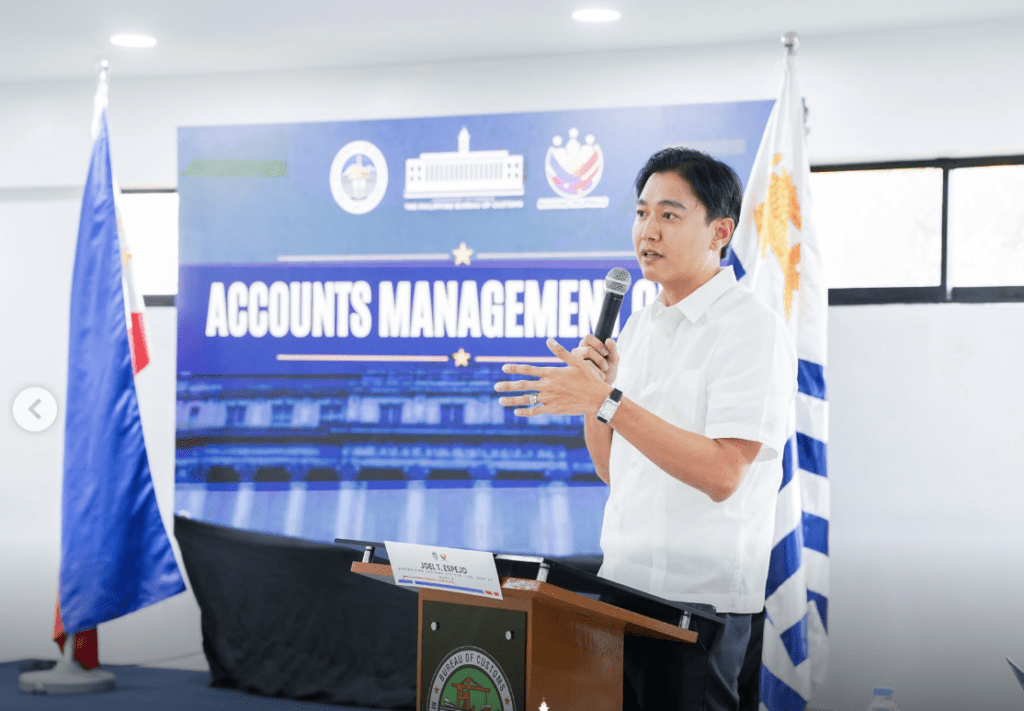
Atty. Melvin Joseph Banzon discussed the changes during a recent seminar covering the new rules and procedures being implemented by AMO. Banzon serves as AMO executive officer and heads Audit Division 2 under the Compliance Assessment Office of the Post Clearance Audit Group.
BOC-AMO Prepares Streamlined Accreditation
The Bureau of Customs plans to issue a rule to back up steps already used by the Accounts Management Office. Also, the new draft will set clear ways to check and approve fresh or renewed papers sent in by importers and customs brokers. These shifts came after AMO moved to audit groups in June. Since then, quick digital checks have sped up work, cutting out extra steps like old pre-checks.
BOC-AMO Cuts Importer Requirements
The new rule will also cut paper needs to join as an importer. Most notably, bank proof of money will no longer be asked. Also, the team made renewals much easier. Importers can now send four key papers plus a signed pledge. They have thirty days to send the rest. Thus, they get quick clearance while checks finish. Yet, missing this deadline can lead to a quick freeze on their pass.
BOC-AMO and Customs Broker Registration
A similar post-evaluation procedure has been introduced for customs broker registration renewals. Customs brokers may submit six essential requirements before completing four additional requirements within 30 days.
Moreover, customs brokers may submit an accepted Certificate of Good Standing from either of two recognized professional sources. This approach reduces duplicate documentation while maintaining registration requirements.
AMO is also training additional evaluators to manage its daily application volume. According to Banzon, the office receives around 175 to 200 applications each day.
Annual Reportorial Compliance Rules Expected
A separate regulation is also expected within the year for the new Annual Reportorial Compliance requirement. The regulation will provide the required form and contents for importer compliance.
The ARC requirement forms part of Customs Administrative Order No. 01-2026, which amended existing importer accreditation rules. Consequently, accredited importers should monitor official Customs issuances for the final procedures, deadlines, and documentary requirements.
The office has also established dedicated processing arrangements for selected major importers and qualified trade facilitation program participants.
Digital Processing and CPRS Activation
AMO has assigned personnel to handle Client Profile Registration System activation after accreditation or registration approval. CPRS activation allows qualified importers and customs brokers to transact with Customs systems.
Currently, CPRS activation involves the Electronic-to-Mobile System. However, Banzon explained that Customs is procuring a system designed to integrate application approval and activation processes.
Once implemented, the planned system could allow CPRS activation after an application receives approval. Meanwhile, direct communication channels and focal persons have been established for major Manila collection districts.
These reforms reflect continuing efforts to simplify importer accreditation, customs broker registration, digital processing, and regulatory compliance within the Bureau of Customs.