How To Export Products: Improve Exportation Business For Free Now
How To Export Products: Improve Exportation Business For Free Now
How To Export Products: Improve Exportation Business For Free Now
SHARE THIS ARTICLE
RECENT ARTICLES
Unleash the potential of your business with Ex-works
Ex-works has assisted companies globally in imports and exports. Allow us to handle all your shipments so you do not face any challenges during the customs clearance process in the Philippines. We also offer customs clearance services at a small cost if you need to deliver urgently and save time. Open an account today with Ex-works, and let us assist your business in overcoming the obstacles of international customs.
SHIP IN MORE THAN 180 COUNTRIES
-
Wholesale Rate
-
Global Network
-
Online Tracking
-
Simplified Shipping
GROW YOUR BUSINESS FROM ANYWHERE.
SUBSCRIBE TO EX-WORKS24/7 NEWS LETTER
Export products can open up lucrative opportunities for businesses, but it also requires meticulous preparation to ensure a smooth process. From understanding regulations to packaging and documentation, every detail matters. This comprehensive guide will walk you through the essential steps for preparing your goods for export, so you can confidently navigate the complexities of international trade.
Exporting goods globally offers businesses expanded market reach, increased revenue, and diversification of risk. By tapping into international markets, companies can access new customer bases and drive growth beyond domestic limitations. This global expansion fosters competitiveness, leverages economies of scale, and enhances brand recognition worldwide. Additionally, exporting helps mitigate risks associated with economic downturns in the home market, providing a buffer through diversified income streams. Embracing global trade opens doors to numerous opportunities and growth potential.
Export Regulations for Export Products
Before diving into the logistical aspects, it’s crucial to familiarize yourself with the export regulations that apply to your goods. Each country has its own set of rules and standards, and compliance is mandatory to avoid fines and delays.
Key Points:
- Export Licenses: Determine if you need an export license for your goods. Certain products, especially those that fall under dual-use or are restricted, may require special permits.
- Customs Regulations: Research the customs requirements of both your country and the destination country. This includes tariffs, duties, and any import restrictions.
- Sanctions and Embargoes: Ensure that the goods you’re exporting are not subject to international sanctions or embargoes that could restrict trade with specific countries.
Subscribe to the Ex-works24/7 newsletter
Export Products Classification & Documentation
Proper classification and documentation are critical for smooth customs processing. Accurate paperwork helps avoid delays and ensures compliance with international trade laws.
Essential Documents:
- Commercial Invoice: This document provides details about the transaction, including product descriptions, quantities, and prices.
- Packing List: Lists the contents of each package, including dimensions and weights.
- Bill of Lading/Air Waybill: A receipt for the shipment and a contract for transportation.
- Certificate of Origin: Certifies the country where the goods were manufactured. Some countries require this document for tariff purposes.
Packaging for Export Products
Packaging is more than just a protective measure; it’s a crucial element of export logistics. Proper packaging ensures that your goods arrive in excellent condition and comply with international standards.
Tips for Effective Packaging:
- Compliance with Standards: Follow international packaging standards to prevent issues at customs. For example, some countries have specific requirements for wood packaging to prevent pest infestations.
- Durability: Use sturdy materials that can withstand the rigors of international transport. Consider factors like temperature changes and rough handling.
- Labeling: Clearly label each package with necessary information such as destination, handling instructions, and any special requirements (e.g., “Fragile” or “Keep Dry”).
Choosing Shipping Method for Export Products
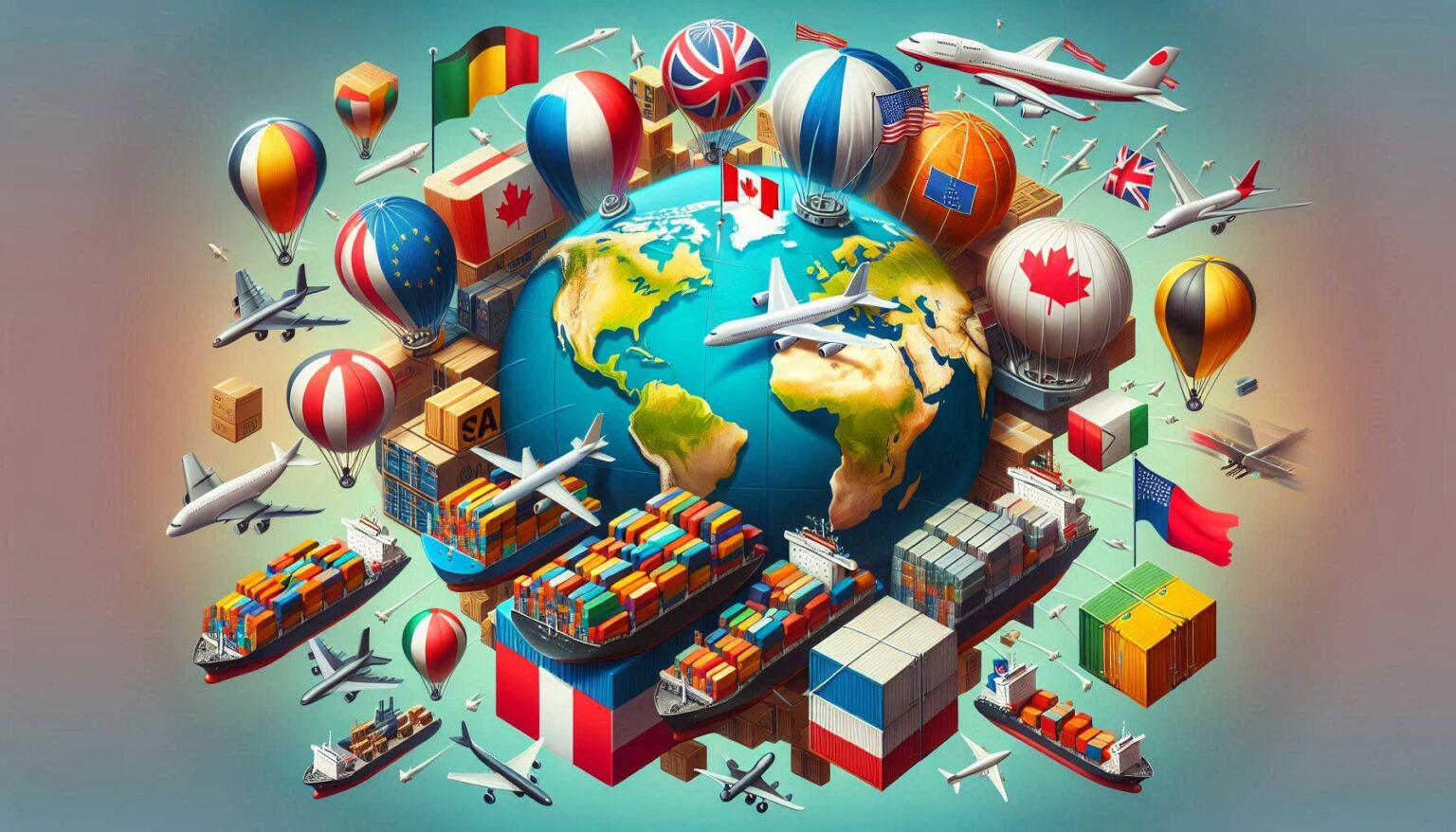
Selecting the appropriate shipping method can impact the cost and delivery time of your goods. Consider your options carefully based on the nature of your products and your business needs.
Shipping Methods:
- Sea Freight: Cost-effective for large quantities and non-perishable items. However, it has a longer transit time.
- Air Freight: Faster but more expensive, suitable for high-value or time-sensitive goods.
- Land Freight: Ideal for shipments within neighboring countries or regions. It can be a good option for products that need to be delivered quickly but are not suitable for air transport.
Insurance and Risk Management
Shipping goods internationally involves various risks, from damage and theft to delays and loss. Investing in insurance can provide peace of mind and financial protection against these risks.
Insurance Considerations:
- Cargo Insurance: Covers loss or damage to goods during transit. Ensure that the insurance policy covers the full value of your shipment.
- Risk Assessment: Evaluate potential risks associated with different shipping routes and methods to make informed decisions about insurance coverage.
Customs Clearance
Navigating customs clearance can be complex, but it’s a crucial step in ensuring your goods are allowed into the destination country.
Key Steps:
- Engage a Customs Broker: A customs broker can help you understand the regulations, prepare the necessary documentation, and facilitate the clearance process.
- Pay Duties and Taxes: Be prepared to pay any applicable duties and taxes. Understanding these costs upfront can help you price your products competitively.
Communication and Coordination
Effective communication and coordination are essential throughout the export process. Keep all stakeholders informed and ensure that everyone involved is aware of their responsibilities.
Best Practices:
- Coordinate with Partners: Maintain clear communication with your logistics providers, customs brokers, and any other partners involved in the process.
- Monitor Shipments: Use tracking systems to monitor the status of your shipments and address any issues that arise promptly.
Conclusion: Preparing goods for export involves a multifaceted approach, from understanding regulations to ensuring proper packaging and documentation. By following these guidelines and paying attention to detail, you can navigate the complexities of international trade with confidence. Remember, thorough preparation is key to successful exporting, helping you avoid costly delays and ensuring that your products reach their destination in perfect condition.
Frequently
Asked Questions
Begin by researching your target market to understand demand and regulations. Next, identify the products you want to export and ensure they meet the necessary standards and certifications. Finally, create a business plan outlining your export strategy, budget, and marketing approach.
Common documentation includes a commercial invoice, packing list, export license, bill of lading, and any specific certificates (like health or phytosanitary certificates) depending on the product and destination country. Ensure compliance with both exporting and importing country regulations.
Use trade shows, export promotion agencies, online marketplaces, and industry associations to connect with potential buyers. Additionally, consider leveraging social media and networking platforms to establish relationships with international distributors and retailers.
The main shipping methods include air freight (fast but more expensive), sea freight (cost-effective for large shipments), and road transport (ideal for nearby countries). Choose the method based on cost, speed, and the nature of your products.
Tariffs and duties are taxes imposed by the importing country on foreign products. They can affect pricing and profitability. It's crucial to research the specific tariffs for your products in the destination market to price your products competitively and avoid unexpected costs.