NCAP TRO Lifted: Every Filipino Motorist Needs to Know Now
NCAP TRO Lifted: Every Filipino Motorist Needs to Know Now
NCAP TRO Lifted: Every Filipino Motorist Needs to Know Now
SHARE THIS ARTICLE
RECENT ARTICLES
Unleash the potential of your business with Ex-works
Ex-works has assisted companies globally in imports and exports. Allow us to handle all your shipments so you do not face any challenges during the customs clearance process in the Philippines. We also offer customs clearance services at a small cost if you need to deliver urgently and save time. Open an account today with Ex-works, and let us assist your business in overcoming the obstacles of international customs.
SHIP IN MORE THAN 180 COUNTRIES
-
Wholesale Rate
-
Global Network
-
Online Tracking
-
Simplified Shipping
GROW YOUR BUSINESS FROM ANYWHERE.
SUBSCRIBE TO EX-WORKS24/7 NEWS LETTER
NCAP TRO Lifted: Every Filipino Motorist Needs to Know Now
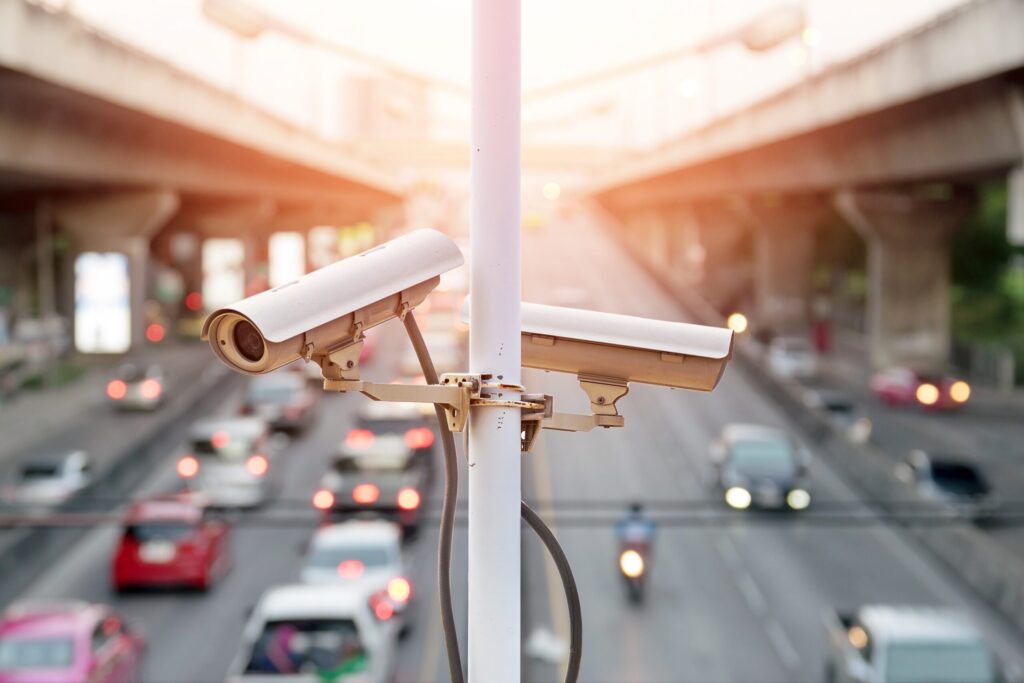
The lifting of the NCAP temporary restraining order (TRO) recently grabbed the attention of motor vehicle drivers across Metro Manila. Under the ruling, the Supreme Court allows only the Metropolitan Manila Development Authority to resume the No Contact Apprehension Policy. Consequently, MMDA traffic enforcement officers will monitor traffic violations using high-definition CCTV cameras deployed along major thoroughfares in the capital.
Months of deep legal debate and boundary confusion finally ended when officials issued a clearer traffic ruling. This major court decision quickly followed an urgent MMDA motion. The agency asked judges to lift the temporary restraining order freezing its traffic cameras. Following this Supreme Court NCAP update, drivers must learn how the revived policy impacts daily road travel. Furthermore, local motorists should carefully review coverage zones, active traffic rules, and critical upcoming steps.
NCAP TRO Lifted: A Partial Green Light for MMDA
During an En Banc session, the Supreme Court allowed MMDA to restart NCAP implementation under specific legal limits. However, the high court kept the restraining order active for local government units enforcing their own traffic ordinances. Therefore, cities like Manila, Quezon City, Valenzuela, Muntinlupa, and Parañaque cannot resume city-level No Contact Apprehension Policy programs.
Court spokesperson Atty. Camille Ting explained that judges lifted the TRO exclusively for MMDA traffic enforcement powers. Consequently, camera enforcement applies only to major thoroughfares under agency jurisdiction, such as EDSA and C5. While local city roads remain exempt, this partial revival marks a major shift in Metro Manila traffic rule enforcement.
MMDA NCAP Legal Implementation
The No Contact Apprehension Policy sparked intense debate among everyday motorists and local transport groups. This modern traffic monitoring system uses CCTV cameras to log road violations without physical police stops. Officials introduced contactless enforcement to upgrade traffic management and foster motorist accountability.
However, critics questioned due process rights, violation notices, and heavy burdens placed on registered vehicle owners. Back in 2022, transport petitioners successfully stopped local government enforcement through a Supreme Court TRO. Transport groups like KAPIT, Pasang Masda, and Altodap claimed local ordinances caused confusion and unfair practices. Specifically, driver groups worried about rental jeepney operators being wrongly billed for daily traffic fines.
NCAP TRO Lifted: Under MMDA Oversight
Lifting the temporary restraining order on the MMDA NCAP policy opens a fresh chapter in traffic management. Now, MMDA NCAP implementation proceeds strictly along national highways and routes under agency control. This critical decision clarifies that only MMDA, rather than local city governments, can enforce rules right now. Consequently, centralized execution reduces jurisdictional overlap and boundary confusion among daily Metro Manila drivers. Previously, motorists struggled to verify active camera zones, traffic fine validity, and proper appeal procedures. With sole agency oversight, drivers can expect a more standardized, uniform approach along primary capital roadways.
The Road Ahead After the Court Decision
However, drivers must keep in mind that this decision does not mark the final legal word. Although judges lifted the NCAP TRO for MMDA, the Supreme Court hasn’t resolved main petitions against city ordinances. Should the court invalidate local city rules, traffic authorities might execute sweeping enforcement reforms.
On the other hand, officials could lift remaining restrictions, bringing contactless traffic enforcement back across Metro Manila. In the meantime, local motorists should stay informed, follow MMDA guidelines, and track pending Supreme Court announcements. Beyond everyday traffic enforcement, this ongoing legal saga shapes public surveillance, digital accountability, and legal consistency.
NCAP TRO Lifted: What Motorists Should Do Now
If you regularly drive through EDSA, C5, or other MMDA-controlled thoroughfares, take note that NCAP enforcement is active again. Drivers must keep vehicle registration updated, respect posted speed limits, and avoid common infractions like illegal lane shifts or running red lights. Furthermore, the MMDA plans to improve policy features soon, particularly its online digital notification system. Now that judges have lifted the temporary restraining order, motorists will encounter active CCTV enforcement cameras and automated fine notices. Therefore, make sure to update your official contact details with the LTO to receive traffic violation alerts promptly.
This Supreme Court NCAP decision balances technological modernization with constitutional due process. Although limited in scope today, the landmark ruling empowers MMDA officials to advance automated traffic enforcement under controlled conditions. As this Supreme Court NCAP update unfolds, affected stakeholders—including daily motorists and transport groups—must remain vigilant and responsive. Meanwhile, the main focus stays clear: MMDA leads traffic monitoring efforts, while local government units await further judicial rulings.