Organizing Logistics: Simplifying the Process for Better Efficiency
Organizing Logistics: Simplifying the Process for Better Efficiency
Organizing Logistics: Simplifying the Process for Better Efficiency
SHARE THIS ARTICLE
RECENT ARTICLES
Unleash the potential of your business with Ex-works
Ex-works has assisted companies globally in imports and exports. Allow us to handle all your shipments so you do not face any challenges during the customs clearance process in the Philippines. We also offer customs clearance services at a small cost if you need to deliver urgently and save time. Open an account today with Ex-works, and let us assist your business in overcoming the obstacles of international customs.
SHIP IN MORE THAN 180 COUNTRIES
-
Wholesale Rate
-
Global Network
-
Online Tracking
-
Simplified Shipping
GROW YOUR BUSINESS FROM ANYWHERE.
SUBSCRIBE TO EX-WORKS24/7 NEWS LETTER
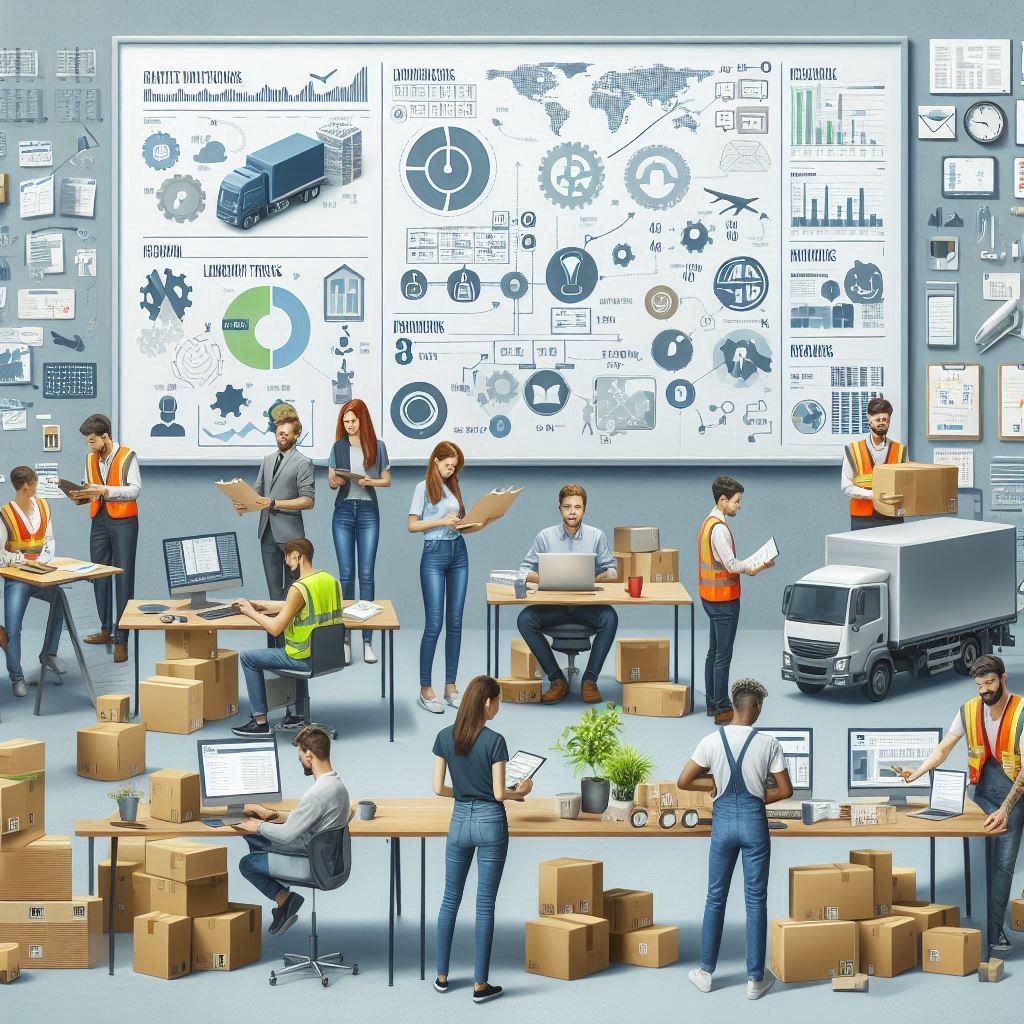
Organizing logistics may sound complex, but at its core, it involves moving things from one place to another efficiently. It’s about ensuring items or people get to their destination on time, in the right way, with minimal issues. Whether managing a business, event, or large project, logistics is key to smooth operations. Organizing logistics can feel overwhelming, but with the right approach, it becomes manageable and much less stressful for everyone involved.
Logistics may seem complicated, but it refers to planning, organizing, and managing the flow of goods, services, or information. Whether shipping products to customers, organizing events, or planning supply chains, logistics is essential for smooth execution. Managing logistics effectively ensures that everything moves from one place to another on time and with minimal disruption.
What is Logistics?
In simple terms, logistics is all about moving things efficiently. It includes everything from the movement of raw materials to factories, delivery of finished goods to customers, or even managing the transportation of people or products. Effective logistics ensures that everything arrives at the right time, in the right condition, and at the right cost.
The Key Steps in Organizing Logistics
Planning: The first step in organizing logistics is planning, where you define what needs to be delivered, where, and when. This includes identifying required resources such as vehicles, workers, or tools. Proper planning establishes a strong foundation for the logistics process, ensuring smooth execution down the line.
Tip: Create a detailed checklist to outline all necessary steps, resources, and deadlines, ensuring nothing is overlooked or forgotten.
Choosing the Right Transportation: Selecting the appropriate transportation mode—land, sea, or air—is essential. Trucks and ships work well for large quantities, while air transport suits smaller, time-sensitive shipments. Choosing wisely based on cost, delivery speed, and shipment type is critical for optimal logistics.
Tip: When selecting transportation, consider factors like cost, delivery time, and the specific nature of the goods being transported to make an informed choice.
Inventory Management: Keeping track of what you have and what you need is crucial. Poor inventory management leads to delays, stockouts, or excess inventory. Implementing a real-time system helps maintain accurate inventory levels and avoid these issues.
Tip: Use inventory management software to automate tracking, ensuring you receive real-time updates and prevent discrepancies in your stock levels.
Warehousing and Storage: Before shipment, goods need proper storage. Organizing your warehouse efficiently can save time when it comes to picking and packing. Categorizing items with clear labels and accessible shelving makes the entire process more efficient.
Tip: Implement the “first in, first out” (FIFO) method to ensure older stock is shipped before newer items, reducing the risk of spoilage or obsolescence.
Order Fulfillment: After goods are stored, the next step is fulfilling orders by picking, packing, and shipping based on customer requests. Streamlining the fulfillment process ensures timely delivery and maintains product quality throughout the shipping journey.
Tip: Track order status at each step of the process to quickly spot issues and ensure timely delivery, meeting customer expectations.
Tracking and Delivery: Once shipments are on their way, tracking is essential. Real-time tracking helps monitor shipments, preventing delays and providing reassurance to both you and your customers that everything is on schedule.
Tip: Invest in tracking software or tools that offer real-time updates on your shipments’ location, ensuring smooth delivery and customer satisfaction.
Feedback and Adjustment: After completing deliveries, gather feedback from customers or your team. Logistics processes can always improve, and small adjustments based on feedback can help refine future operations, boosting efficiency and customer satisfaction.
Tip: Analyze feedback to identify potential bottlenecks or inefficiencies, making necessary changes to improve the logistics process for next time.
Tools & Technology to Help Organizing Logistics
Logistics can seem complex, but technology has made organizing it much easier. Several tools and software simplify logistics management.
Inventory Management Software: Platforms like TradeGecko, Zoho Inventory, and QuickBooks Commerce help track stock levels, automate reordering, and streamline inventory processes.
Shipping and Tracking Tools: Software such as ShipBob, Shippo, and UPS My Choice allows you to track shipments, print labels, and get real-time updates.
Project Management Tools: Use Trello, Asana, or Monday.com to manage logistics tasks, create checklists, assign responsibilities, and keep teams organized and on schedule.
Route Optimization Tools: Tools like Route4Me and Circuit plan the most efficient delivery routes, saving time and fuel, and improving delivery efficiency.
Communication Tools: To stay coordinated with suppliers, drivers, and customers, use Slack, Microsoft Teams, or WhatsApp for real-time communication and updates.
Tips for Streamlining Logistics
Stay Organized: The more organized your logistics, the smoother the entire process will be. Use digital tools to track everything from inventory to deliveries.
Work with Reliable Partners: Collaborating with trustworthy suppliers, transportation companies, or warehouse providers simplifies logistics. Build strong relationships and maintain clear communication with partners.
Anticipate Problems: Logistics will inevitably face issues, such as late deliveries or missing shipments. Anticipate potential problems and always have a backup plan ready.
Focus on Efficiency, Not Just Cost: While controlling logistics costs is essential, avoid sacrificing quality or speed. Inefficient logistics may save money short-term but harm your business long-term.
Evaluate and Improve: After completing logistics tasks, evaluate what went well and identify areas for improvement. Tweak processes to increase efficiency in future operations.
In conclusion, logistics may seem like a huge and overwhelming task, but when you break it down into manageable steps, it becomes much more manageable. By planning ahead, using the right tools, and staying organized, you can ensure that goods and services move smoothly from one point to another. The goal is to make sure things arrive at the right place, at the right time, and at the right cost. With a little practice and the right systems in place, organizing logistics can become a streamlined process that helps your business or project succeed.
Frequently
Asked Questions
Logistics optimization involves using strategic planning, automation, and real-time data analysis to improve efficiency, lower transport costs, and speed up order fulfillment throughout the supply chain network.
Smart warehouse management organizes inventory layout, speeds up order picking, and utilizes automated tracking systems to reduce handling times and minimize costly order fulfillment errors.
Real-time inventory tracking prevents stockouts and overstocking by providing accurate visibility into stock levels, enabling precise demand forecasting and lowering overall holding costs.
Route optimization algorithms calculate the fastest, most fuel-efficient transit paths for delivery fleets, cutting fuel consumption, avoiding traffic delays, and ensuring timely last-mile delivery.
Regular supply chain audits identify operational bottlenecks, eliminate unnecessary steps, enforce regulatory compliance, and highlight continuous improvement opportunities to boost profit margins.