TABS or Terminal Appointment Booking System: The Truth In Focus
TABS or Terminal Appointment Booking System: The Truth In Focus
TABS or Terminal Appointment Booking System: The Truth In Focus
SHARE THIS ARTICLE
RECENT ARTICLES
Unleash the potential of your business with Ex-works
Ex-works has assisted companies globally in imports and exports. Allow us to handle all your shipments so you do not face any challenges during the customs clearance process in the Philippines. We also offer customs clearance services at a small cost if you need to deliver urgently and save time. Open an account today with Ex-works, and let us assist your business in overcoming the obstacles of international customs.
SHIP IN MORE THAN 180 COUNTRIES
-
Wholesale Rate
-
Global Network
-
Online Tracking
-
Simplified Shipping
GROW YOUR BUSINESS FROM ANYWHERE.
SUBSCRIBE TO EX-WORKS24/7 NEWS LETTER
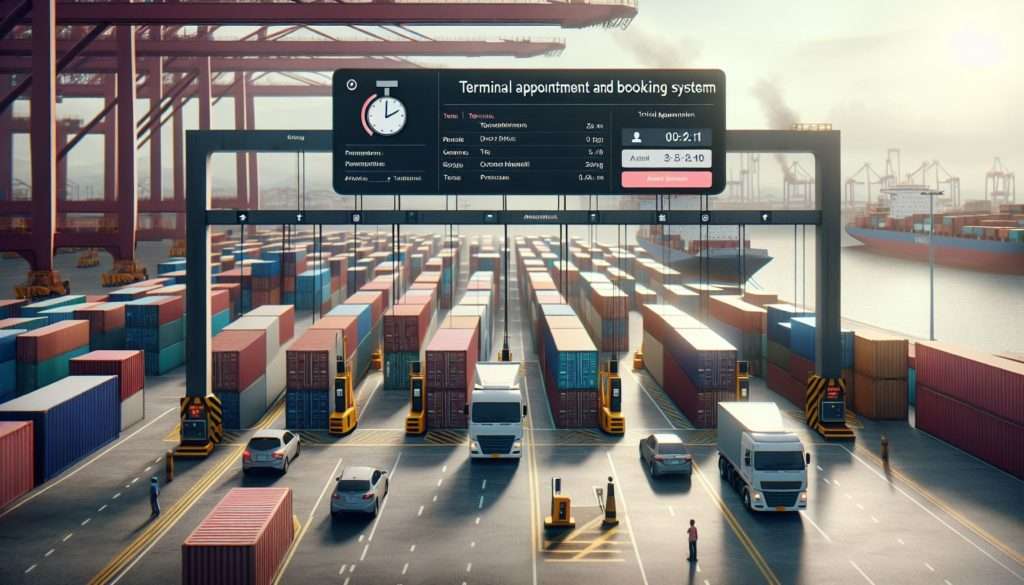
The Terminal Appointment Booking System (TABS) in the Philippines mandates advance booking before truck arrival at terminals, aiming to alleviate port congestion. By regulating truck flow, TABS enhances operational efficiency, reduces waiting times, and optimizes resource allocation. Its effectiveness lies in streamlining logistics, ensuring smoother cargo handling, and fostering a more sustainable supply chain ecosystem.
Importers and exporters know well how the final stages of importing to the Philippines go. You must ensure that your imported goods are cleared by customs, pay the applicable fees and charges, and deliver your imported goods to the final destination. However, importers cannot send delivery trucks and trailers to the Manila South Port and the Manila International Container Terminal area without first making a request. For these purposes, the importer must use the Terminal Appointment Booking System (TABS). Introduced in October 2015, the system is an electronic platform implemented at the Port of Manila, where most of the above-mentioned imports are imported.
About TABS
The TABS was created to maintain the flow of goods to Manila’s international trade gateway. More specifically, the online platform is the place for traders, shippers, importers/exporters and shippers to arrange shipping and delivery of containers from the Port of Manila to their location, 24/7. This will lead to a government ban on trucks, which will eventually reduce traffic to and from the road Minimize and reduce port traffic in those ports. According to its proponents, the Asian Terminals Inc.
On October 22, 2015: In a presentation at the Procurement and Supply Institute of Asia (PASIA) that TABS will benefit its stakeholders in terms of more efficient truck trips, leading to reduced cost; prioritization of cargo release and acceptance; and management of volumes, forecasting, and planning. Manila North Harbour Port Inc. CEO Richard Barclay said.
Subscribe to the Ex-works24/7 newsletter
TABS and the opposition
While TABS aims to streamline vehicle and cargo flow at ports, opposition from groups like Chamber of Customs Brokers Inc., Professional Customs Brokers Association of the Philippines, and Aduana Business Club persists. Despite acknowledging TABS’ potential to enhance import processes, these groups criticize its high cost to end users, deeming it unjustified. Traders and truckers using TABS complain of lengthy 24-hour waits at ports due to overlapping queues and flawed design frameworks, exacerbating traffic congestion and disrupting schedules.
TABS fucntionalities
The Terminal Appointment Booking System (TABS) in the Philippines presents various benefits. It aids in managing truck flow, alleviating congestion by scheduling arrivals and departures. TABS facilitates efficient resource allocation by enabling appointments for cargo pick-ups and deliveries, optimizing terminal resources such as loading docks and manpower. Moreover, it enhances logistics planning, reducing wait times and enhancing overall efficiency. Offering transparency into port operations, TABS allows stakeholders to monitor shipment status and plan accordingly, while ensuring compliance with regulations, thereby fostering a more orderly and secure port environment. In essence, TABS contributes to smoother port operations, quicker turnaround times, and a more dependable supply chain.
Nonetheless, this scenario results in delays and penalties for port entry. A two-hour delay incurs a fine of 1,625 pesos, while exceeding three hours accrues a penalty of P3,251. These expenses pose significant challenges for small enterprises and disrupt product deliveries. While TABS harbors positive intentions and objectives, enhancements are necessary to optimize customer service. Despite its flaws, the system holds potential for refinement to address logistical challenges effectively.
Frequently
Asked Questions
TABS is a digital system designed to help manage and streamline the scheduling of appointments for terminal services, often used in industries such as logistics, transportation, and ports. The system allows businesses to book, manage, and track appointments for shipping containers, vehicles, or other goods that need to be processed at a terminal. It aims to reduce congestion, improve operational efficiency, and provide better coordination between various stakeholders involved in the process.
TABS helps improve efficiency by enabling real-time appointment scheduling, which helps avoid overbooking or congestion at terminal entry points. By providing visibility into appointment availability, carriers and service providers can plan their visits better, reducing waiting times, improving resource allocation (e.g., gates, cranes), and decreasing idle time for vehicles or containers. Additionally, it reduces human error associated with manual appointment booking processes.
TABS is used by a wide range of stakeholders in logistics and terminal operations, including:
- Shipping lines and carriers: To schedule vessel arrivals and container pick-ups or drop-offs.
- Truckers and freight forwarders: To book timeslots for transporting goods to and from the terminal.
- Terminal operators: To manage and allocate resources such as dock space, cranes, and labor.
- Importers/Exporters: To manage the flow of their goods, ensuring timely deliveries and pickups.
- Reduced Congestion: TABS allows terminals to control and optimize the flow of vehicles, reducing bottlenecks and waiting times.
- Improved Resource Management: By knowing the number of arrivals and departures in advance, terminals can allocate resources more efficiently (e.g., labor, gates, equipment).
- Better Predictability: Appointment booking offers a predictable schedule, reducing uncertainty for both the terminal operator and the clients.
- Operational Cost Reduction: By avoiding delays and minimizing waiting times, terminals can lower operational costs related to underutilized equipment and labor.
- Enhanced Customer Satisfaction: With streamlined operations and improved transparency, customers experience better service, including faster container pickup or delivery times.
While TABS offers numerous benefits, there are some challenges to consider:
- Integration with Existing Systems: Some terminals may face difficulties in integrating TABS with their existing legacy systems, such as ERP, warehouse management, or logistics platforms.
- User Adoption: Employees and stakeholders may resist transitioning to a digital appointment booking system, especially if they are used to manual or less formal scheduling processes.
- Data Accuracy and Timeliness: The effectiveness of TABS relies on the accurate input of data. If users do not update appointments or make last-minute changes, it can create scheduling conflicts or operational disruptions.
- System Downtime or Technical Issues: As with any software system, TABS may experience occasional downtime or technical glitches, which can disrupt scheduling and operations.
- Security and Privacy Concerns: Given the sensitive nature of logistics data, there could be concerns about the security and privacy of the information shared within the TABS system. Ensuring compliance with data protection regulations is critical.
These questions and answers provide a basic overview of how TABS works and its role in improving terminal operations through efficient appointment scheduling.