Event Logistics and shipping: Best Practices from Expert
Event Logistics and shipping: Best Practices from Expert
Event Logistics and shipping: Best Practices from Expert
SHARE THIS ARTICLE
RECENT ARTICLES
Unleash the potential of your business with Ex-works
Ex-works has assisted companies globally in imports and exports. Allow us to handle all your shipments so you do not face any challenges during the customs clearance process in the Philippines. We also offer customs clearance services at a small cost if you need to deliver urgently and save time. Open an account today with Ex-works, and let us assist your business in overcoming the obstacles of international customs.
SHIP IN MORE THAN 180 COUNTRIES
-
Wholesale Rate
-
Global Network
-
Online Tracking
-
Simplified Shipping
GROW YOUR BUSINESS FROM ANYWHERE.
SUBSCRIBE TO EX-WORKS24/7 NEWS LETTER
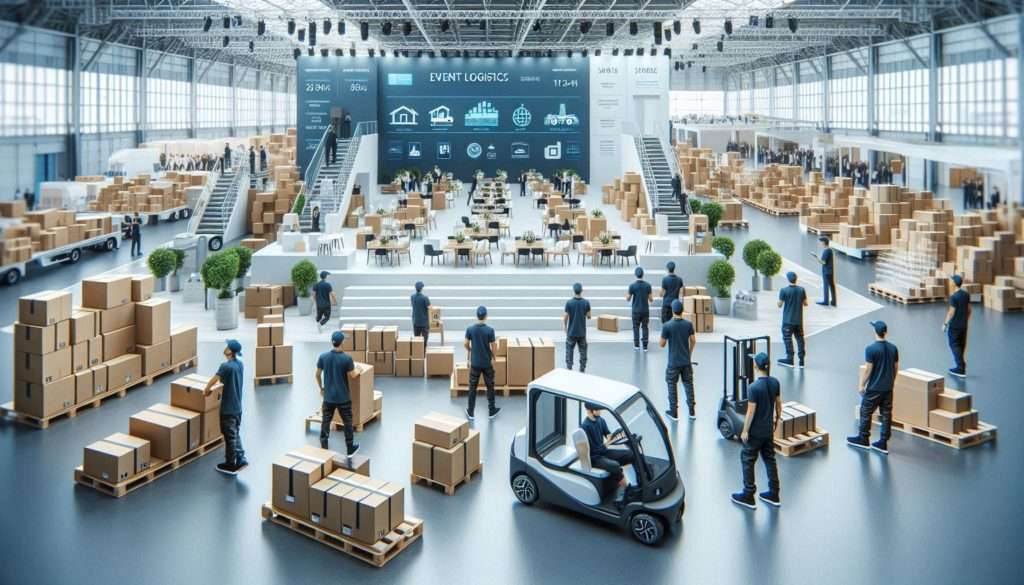
In this blog, we’ll explore the optimal approaches for managing event logistics, including shipping. Shipping internationally presents distinct challenges compared to local shipments, encompassing customs regulations, additional formalities, and procedures. Familiarizing yourself with these intricacies is crucial to ensuring the safe and timely arrival of your packages across borders.
Participating in an international trade show or corporate event is a great way to spread the word about your business and increase your brand’s visibility, but there’s a lot to know when it comes to packing everything for shipping abroad. Here’s the best practices for event shipping and logistics.
1. Pack with Caution For Event Logistics
Items shipped internationally have a long journey before they reach their final destination, so it is extremely important to pack them carefully. After all, you want to make sure they arrive in the same condition that they were sent. Be aware of all the elements your items might be exposed to during the shipping process, including dust, moisture, weather and sudden movement, and protect them appropriately. Also note the shipping regulations of the country to which you are sending your items. Avoid packing them with material that the recipient country considers potentially dangerous, which could result in your package being dumped!
Subscribe to the Ex-works24/7 newsletter
2. Create Appropriate Address Labels
For international shipping, it may be necessary to put two different mailing labels on your packages. In such cases, the first label must be in English and the second label in the official language of the country to which it is being shipped. If you find that multiple labels are required, be sure to affix both labels side by side so there is no confusion as to where the items are to be shipped.
3. When to work with a freight forwarder
For events with significant shipping needs, the most logical thing to do is to work with a freight forwarder who specializes in the type of event you are managing and someone who has built relationships with that destination. Ideally, this will be a trucking company with offices in the city where your event is taking place and regionally in some key markets where your shipments originate from. You can usually arrange for your goods to be collected from your office (or other departure location) and delivered to you using a mix of couriers, freight forwarders, and customs brokers to meet your shipping needs. It’s also important to know if any of your items are prohibited in the country to which you’re sending them, your freight forwarder may help you on this. You don’t want your entire package—and schedule—to get derailed because of a single item you may have been able to live without.
4. Choose method of transportation
For international shipping, there are two main options: By Sea or by Air. Of course it’s much faster by plane. Your items will likely arrive at their destination within a few days. If ship is used to transport the items, it may take up to eight weeks for the items to arrive. arrive. If you need to ship your items, please allow sufficient time to prepare your shipment. For this reason, it is recommended that you do your research to determine which international shipping method is best for your event items.
5. Shipping Deadline for Event Logistics
It can take a lot longer to ship something monitored than shipping onsite (months instead of weeks or even days), which means you need to plan ahead and make sure your team is ready to ship on time. your event. To ensure your packages arrive on time, contact the venue early in the planning phase to find out when they will need the equipment and contact local delivery services to know exactly how long shipping will take your Packages.
Conclusion: Mastering event logistics and shipping requires careful planning, strategic partnerships, and attention to detail. By implementing expert best practices, you can ensure seamless execution, minimize risks, and optimize resources for successful events. Start early, collaborate with reliable partners, and prioritize efficiency and sustainability to deliver unforgettable experiences for attendees.
Frequently
Asked Questions
Event logistics in the Philippines can present a number of unique challenges due to the country's infrastructure and geography. Some of the key challenges include:
- Traffic congestion: Major cities like Manila suffer from heavy traffic, which can cause delays in transporting materials or equipment to and from event venues. Planning for additional time and considering off-peak hours is essential.
- Geographic spread: The Philippines is an archipelago, meaning events held outside Metro Manila may face additional complexities in shipping and coordinating logistics between islands. Air or sea transport might be required, which can add costs and time.
- Customs and regulatory hurdles: Importing event materials from overseas may involve navigating customs regulations, especially for large shipments or high-value items. Clearances and paperwork must be managed to ensure timely delivery.
- Weather-related disruptions: Typhoons and heavy rains are common, particularly during the rainy season (June to November), which could impact shipping schedules and outdoor events.
- Local labor and handling capacity: Availability of trained event staff or professional logistics teams may vary depending on location, especially in less urbanized areas.
It’s important to engage with experienced logistics partners who are familiar with the nuances of the local environment to minimize disruptions.
Shipping event materials or equipment to a venue in the Philippines involves a few important steps:
- Choose the right logistics provider: Depending on the size and nature of the shipment, you may want to work with international couriers (like DHL, FedEx, or UPS) for small to medium-sized shipments, or local logistics companies (e.g., LBC, 2GO) for larger or more specialized shipments.
- Plan for customs clearance: If shipping from overseas, ensure that all necessary documentation is completed for customs, such as commercial invoices, packing lists, and any permits for specific items (e.g., audio-visual equipment or hazardous materials).
- Consolidate shipments: If you’re shipping to multiple locations or using different suppliers, it’s often more efficient to consolidate shipments at a central location before dispatching to the final destination.
- Delivery window: Work with your logistics provider to establish a delivery window that allows time for setup but accounts for potential delays (e.g., from customs clearance or traffic congestion).
- Venue coordination: Coordinate with the event venue for proper unloading areas and the timing of deliveries. Large shipments may need to be delivered ahead of time, especially for large-scale events like conferences or trade shows.
Ensure you include insurance for any high-value equipment or materials, as unexpected delays or damage can occur during transit.
Last-mile delivery refers to the final leg of the shipment journey, from the distribution center or main hub to the event venue itself. In the Philippines, where traffic and access to venues can be tricky, the following strategies can help streamline last-mile delivery:
- Track shipments: Use real-time tracking tools provided by the logistics company to monitor the progress of deliveries and address issues immediately if delays occur.
- Use local couriers: For smaller items or short-distance delivery, consider partnering with local couriers that are familiar with the venue area. Local providers can navigate the traffic more efficiently and reach remote venues faster.
- Plan for peak hours: Understand the traffic patterns in major cities (e.g., Metro Manila) and plan deliveries during off-peak hours (early mornings or late evenings) to avoid delays.
- Venue access: Confirm with the event venue about access points, whether it’s through a loading dock, restricted entry zones, or a specific parking area. This can prevent delays or complications upon arrival.
- Setup assistance: Depending on the scale of the event, you may need local labor or logistical support for unloading and assembling the equipment. Coordinate with the venue or hire local labor to assist with unloading and arranging the materials once they arrive.
Advanced planning and communication with your logistics partner and the event venue are crucial to ensuring smooth last-mile delivery.
Shipping options for events in the Philippines vary depending on the size of the shipment, delivery timelines, and whether it’s a domestic or international shipment. Common options include:
- Air freight: Ideal for shipping high-value or urgent items. Air freight is faster but can be more expensive, especially for larger shipments.
- Sea freight: A more economical choice for bulk shipments or larger items. While sea freight takes longer than air freight, it can be a more cost-effective solution for non-urgent deliveries.
- Ground transportation: If you're shipping within the Philippines, ground delivery via trucks, vans, or motorcycles is common for last-mile delivery, particularly for smaller items or materials that can be easily unloaded and transported.
- Courier services: For smaller or high-priority shipments, international courier services like FedEx, DHL, or UPS provide both express shipping and door-to-door service, offering reliable tracking and delivery times.
- Freight forwarding services: For large events with numerous shipments, freight forwarders can handle the logistics of organizing shipments from various suppliers and consolidating them into a single, streamlined process.
When choosing the best option, consider the urgency of your shipment, the budget, and the size of your materials. For example, if you have time-sensitive equipment (like AV gear) that needs to arrive quickly, air freight or express couriers are best. If cost is a major factor and time is more flexible, sea freight or ground shipping may be more appropriate.
Handling customs clearance and duties is an essential part of the international shipping process to the Philippines. To ensure smooth customs clearance for event materials, follow these steps:
- Prepare documentation: Ensure all required documents are in order before shipment, including commercial invoices, packing lists, and any applicable certificates (such as safety or compliance certificates). Properly itemizing the contents of your shipment is key to avoiding customs delays.
- Customs duties: The Philippines imposes customs duties on certain goods. Event materials and equipment may be subject to import taxes, which vary based on the type and value of the goods. In general, items with a value over PHP 10,000 are subject to VAT and potential duties.
- Work with a customs broker: For larger or complex shipments, it’s advisable to hire a local customs broker who is familiar with Philippine import regulations. They can help expedite the clearance process and ensure that the correct paperwork is submitted.
- HTS Code classification: Ensure that your items are classified correctly according to the Harmonized System (HS) Codes. Misclassification can result in delays or incorrect duty assessments.
- Plan for delays: Customs clearance can take time, especially if there is an issue with paperwork or inspection. Factor in extra time for customs processing, and coordinate with your logistics provider for real-time updates.
By staying ahead of the paperwork and engaging a knowledgeable logistics partner or customs broker, you can reduce the risk of delays and ensure timely delivery of your event materials.