Freight forwarder in the Philippines: Most Reliable Company Now
Freight forwarder in the Philippines: Most Reliable Company Now
Freight forwarder in the Philippines: Most Reliable Company Now
SHARE THIS ARTICLE
RECENT ARTICLES
Unleash the potential of your business with Ex-works
Ex-works has assisted companies globally in imports and exports. Allow us to handle all your shipments so you do not face any challenges during the customs clearance process in the Philippines. We also offer customs clearance services at a small cost if you need to deliver urgently and save time. Open an account today with Ex-works, and let us assist your business in overcoming the obstacles of international customs.
SHIP IN MORE THAN 180 COUNTRIES
-
Wholesale Rate
-
Global Network
-
Online Tracking
-
Simplified Shipping
GROW YOUR BUSINESS FROM ANYWHERE.
SUBSCRIBE TO EX-WORKS24/7 NEWS LETTER
Every freight forwarder in the Philippines plays a vital role in global trade. In the interconnected world of international trade, the smooth movement of goods from one point to another is paramount. At the heart of this intricate process lies freight forwarders in the Philippines, serving as the orchestrators of logistics, ensuring cargo reaches its destination efficiently and seamlessly.
In the Philippines, a vibrant hub of commerce and industry, freight forwarders play a crucial role in facilitating domestic and international trade. Join us as we delve into freight forwarding in the Philippines, understanding its significance, navigating through challenges, and recognizing the key players shaping the landscape.
What is Freight forwarder in the Philippines?
A freight forwarder is a company or entity that specializes in arranging the transportation and logistics of goods on behalf of importers and exporters. These companies serve as intermediaries between businesses and various transportation services, such as shipping lines, airlines, trucking companies, and railroads. Their primary function is to facilitate the movement of cargo from its origin to its destination efficiently and cost-effectively.
Subscribe to the Ex-works24/7 newsletter
Significance of Philippine Freight Forwarders
With its strategic location in Southeast Asia and a rapidly growing economy, the Philippines has emerged as a vital player in global trade. From agricultural products to electronics and textiles, the country exports a diverse range of goods to markets worldwide. Similarly, imports flowing into the Philippines fuel domestic consumption and drive economic growth. In this dynamic environment, freight forwarder act as the linchpin, bridging the gap between exporters and importers and navigating the complexities of logistics with finesse.
Challenges and Opportunities:
Operating in the logistics sector comes with its own set of challenges. In the Philippines, infrastructure constraints, bureaucratic hurdles, and fluctuating regulatory frameworks present significant obstacles for freight forwarders. Poor road networks, congested ports, and limited warehousing facilities can lead to delays and increased costs, impacting the efficiency of supply chains. Moreover, staying abreast of changing trade policies and customs regulations requires constant vigilance and adaptability. Despite these challenges, freight forwarders in the Philippines also encounter many opportunities. The country’s strategic location, skilled workforce, and burgeoning e-commerce sector offer immense potential for growth and innovation in the logistics industry.
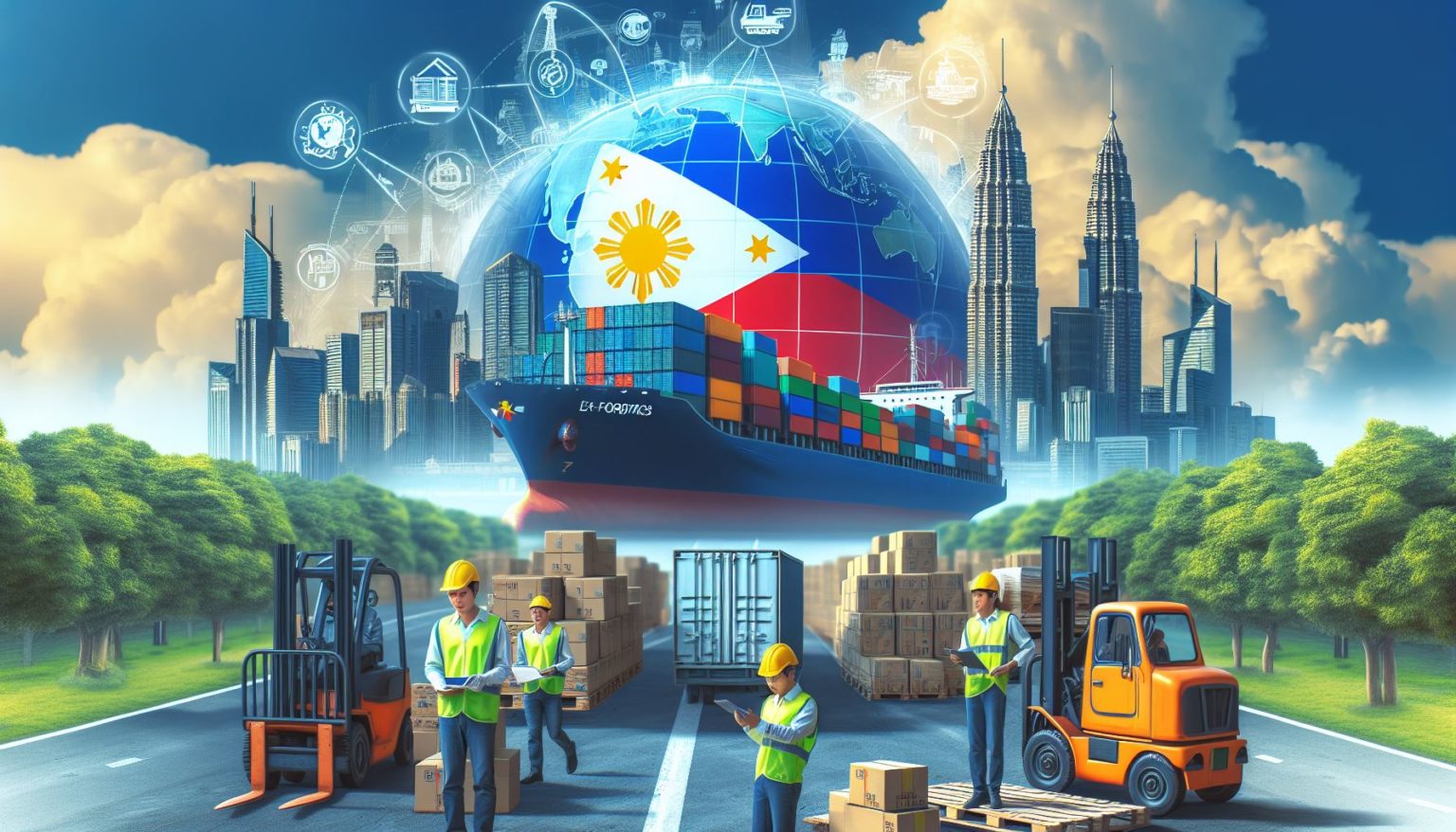
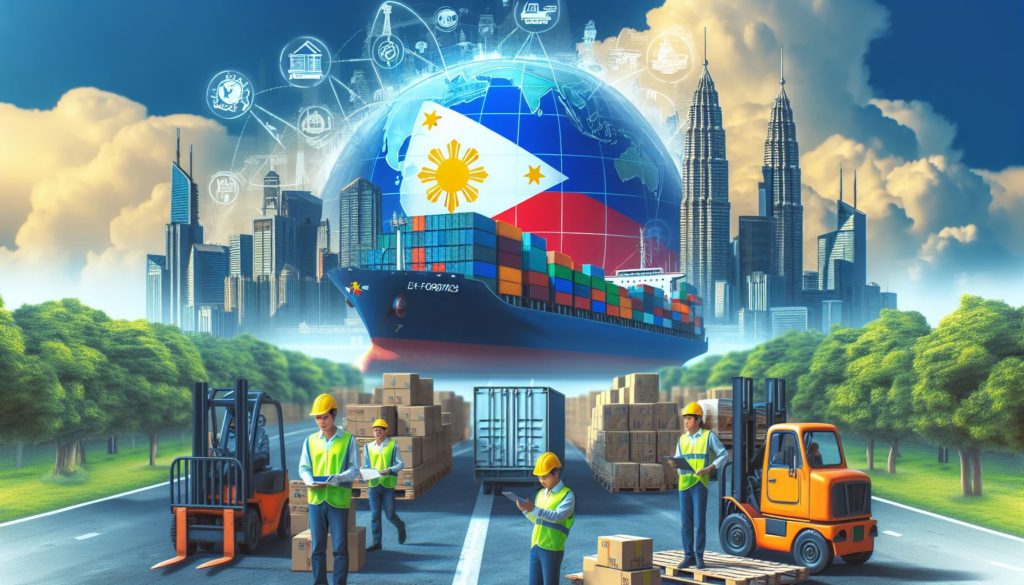
Key Players: Leading Freight Forwarders
JRS Express: With a legacy since 1961, JRS Express is one of the Philippines’ most trusted logistics companies. Offering a wide array of services including air and sea freight, warehousing, and distribution, JRS Express has established itself as a market leader in the country and beyond.
LBC Express: As a global logistics provider, LBC brings extensive experience and expertise to the Philippine market. Specializing in supply chain solutions tailored to meet the unique needs of various industries, LBC is renowned for its commitment to operational excellence and customer satisfaction.
Ex-Works Cargo: A dynamic player in the Philippine logistics landscape, Ex-Works Cargo Services Inc. stands out for its comprehensive range of services and customer-centric approach. From freight forwarding to customs brokerage and project cargo handling, Ex-Works Cargo Services Inc. caters to the diverse needs of businesses engaged in international trade.
Looking Ahead: As the global economy continues to evolve, the role of freight forwarders in the Philippines will only become more crucial. Embracing digitalization, investing in infrastructure, and fostering partnerships will be key strategies for overcoming challenges and unlocking new opportunities in the logistics sector. By harnessing innovation and leveraging their expertise, freight forwarders in the Philippines can further enhance efficiency, reliability, and sustainability in the movement of goods, driving economic growth and prosperity for the nation.
Conclusion: Freight forwarding is the backbone of international trade, facilitating the movement of goods across borders and connecting businesses to markets worldwide. In the Philippines, freight forwarders play a vital role in driving economic development, enabling businesses to thrive in the global marketplace. As we look to the future, collaboration, innovation, and a commitment to excellence will be essential for freight forwarders to navigate challenges and seize opportunities, ensuring the continued success of Philippine trade and commerce on the world stage.
Frequently
Asked Questions
A freight forwarder is a third-party logistics provider that helps businesses move goods from one location to another, whether internationally or domestically. In the Philippines, freight forwarders handle the complexities of shipping by:
- Coordinating transportation (by air, sea, or land),
- Managing customs clearance and import/export documentation,
- Ensuring the proper packaging and handling of goods, and
- Offering warehousing and distribution services.
You need a freight forwarder in the Philippines because they simplify international trade and shipping processes. They help navigate regulations, avoid costly delays, and ensure goods arrive safely and on time, especially for businesses looking to import or export goods in and out of the Philippines.
- Experience and Reputation: Choose a company with a proven track record in the shipping and logistics industry. Look for one that has experience handling your specific type of goods, whether they're perishable items, fragile products, or bulk cargo.
- Global and Local Network: The freight forwarder should have a strong network both domestically within the Philippines and internationally. They should have established relationships with carriers, customs brokers, and warehouses in key international ports.
- Service Range: Ensure the freight forwarder offers a comprehensive range of services, including air freight, ocean freight, road transport, customs brokerage, packaging, and warehousing, depending on your needs.
- Customer Support and Communication: A good freight forwarder should be easily reachable, offer timely updates, and provide transparent pricing and shipping timelines.
- Cost-Effectiveness: While cost shouldn't be the only factor, it's important to compare pricing structures and understand what services are included in the quoted rates to avoid unexpected charges.
When shipping goods to or from the Philippines, it’s crucial to understand the country’s customs regulations, including:
- Import and Export Documentation: The required documents typically include the Bill of Lading, Commercial Invoice, Packing List, and Certificate of Origin. If importing restricted goods, additional permits may be required from the relevant government agencies.
- Duties and Taxes: The Philippines imposes various import duties and taxes, which are calculated based on the product’s value (CIF - Cost, Insurance, Freight). Make sure to account for these costs when budgeting for shipping.
- Prohibited and Restricted Items: Certain items, such as firearms, drugs, and hazardous materials, are prohibited from being imported into the Philippines. Others, like agricultural products or chemicals, may require specific permits or inspection.
- Customs Clearance Process: The freight forwarder should handle customs clearance for you. However, it’s essential to work closely with your forwarder to ensure that all paperwork is in order and to avoid delays or fines.
Having a freight forwarder familiar with Philippine customs procedures can help you navigate these regulations efficiently.
The cost of freight forwarding in the Philippines depends on several factors:
- Mode of Transport: Air freight is generally more expensive than sea freight due to faster transit times. The size and weight of your shipment also affect the cost.
- Distance: The farther the destination, the higher the cost, particularly for international shipments.
- Cargo Type: Special cargo such as perishable goods, hazardous materials, or oversized items often requires additional handling or special permits, which can increase the cost.
- Seasonality: Shipping costs may fluctuate based on the time of year, especially during peak seasons like holidays or the Chinese New Year.
- Additional Services: If you need warehousing, packaging, or door-to-door delivery services, these will also add to the overall cost.
To get an accurate quote, it's important to provide your freight forwarder with detailed information about your shipment, including the type of goods, weight, dimensions, and destination.
Working with a freight forwarder in the Philippines can have its challenges, including:
- Port Congestion: The Philippines' major ports (like Manila) can sometimes experience congestion, leading to delays in unloading and customs clearance. Choosing a freight forwarder with experience in navigating these challenges can help mitigate potential delays.
- Customs Delays: Even with proper documentation, goods may sometimes be delayed at customs for inspection or due to changes in regulations. Having a knowledgeable forwarder who can handle these issues proactively is key.
- Unpredictable Costs: While most freight forwarders provide an initial estimate, unforeseen factors like changes in fuel prices, increased demand, or customs fees can affect the final cost. It's important to have clear communication with your forwarder about what is included in the quote.
- Language and Communication Barriers: If you’re dealing with international freight forwarding, there can sometimes be language barriers or communication challenges. Ensure your freight forwarder provides bilingual support if needed and is transparent about each step of the process.
- Weather and Natural Disasters: The Philippines is prone to typhoons and other weather-related disruptions, which can impact both domestic and international shipping schedules. A good freight forwarder should provide contingencies and updates in the event of weather-related delays.
By working closely with a reliable and experienced freight forwarder, you can address these challenges effectively and ensure smooth logistics for your shipments.