LRT-1 Stations in Order: The Ultimate Guide Is Here
LRT-1 Stations in Order: The Ultimate Guide Is Here
LRT-1 Stations in Order: The Ultimate Guide Is Here
SHARE THIS ARTICLE
RECENT ARTICLES
Unleash the potential of your business with Ex-works
Ex-works has assisted companies globally in imports and exports. Allow us to handle all your shipments so you do not face any challenges during the customs clearance process in the Philippines. We also offer customs clearance services at a small cost if you need to deliver urgently and save time. Open an account today with Ex-works, and let us assist your business in overcoming the obstacles of international customs.
SHIP IN MORE THAN 180 COUNTRIES
-
Wholesale Rate
-
Global Network
-
Online Tracking
-
Simplified Shipping
GROW YOUR BUSINESS FROM ANYWHERE.
SUBSCRIBE TO EX-WORKS24/7 NEWS LETTER
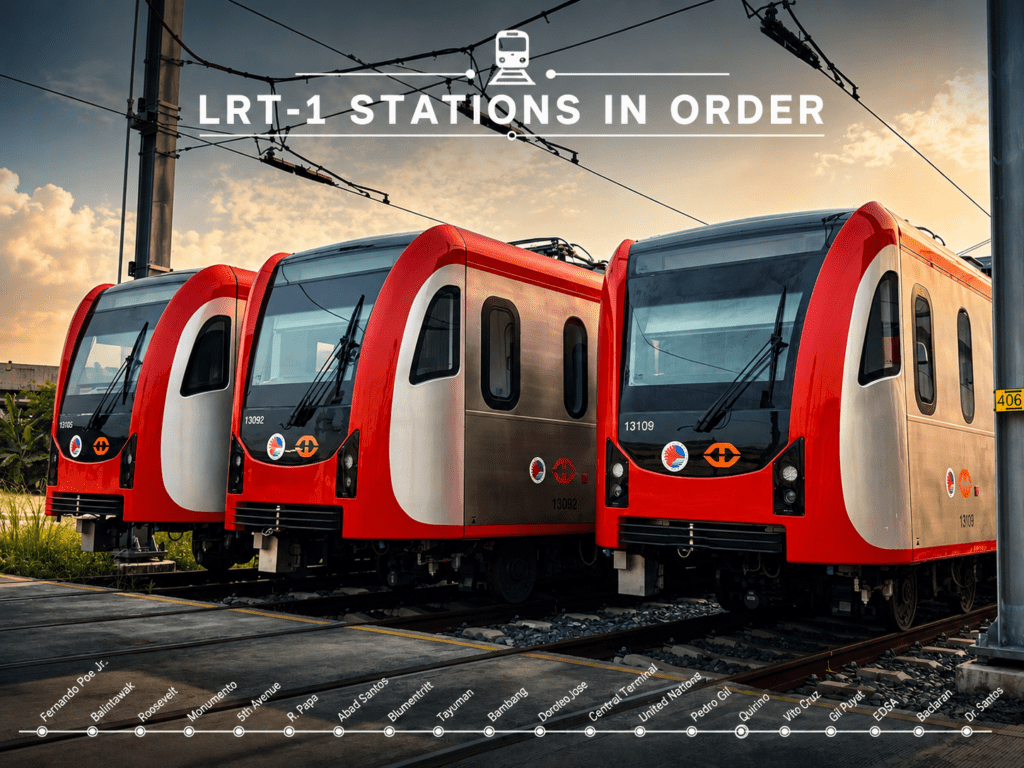
The Light Rail Transit Line 1 (LRT-1) is a major Metro Manila train line. It connects northern and southern cities, stretching from Parañaque to Quezon City. Thousands of daily commuters rely on LRT-1 for fast urban travel. It offers direct access to key business districts, cultural landmarks, and heritage sites. Key stations like Baclaran, EDSA, Gil Puyat, and Central Terminal showcase vibrant Manila urban life.
LRT-1 Inauguration and Expansion
The inaugural segment of LRT-1, running from Baclaran to Monumento, commenced operations on December 1, 1984, marking a significant milestone in Manila’s transit history. This initial phase greatly improved connectivity across the city, benefiting commuters with enhanced accessibility. Subsequent expansions over the years responded to rising passenger needs by extending the line northwards towards Monumento and later Roosevelt, further integrating LRT-1 into the northern areas of Metro Manila.
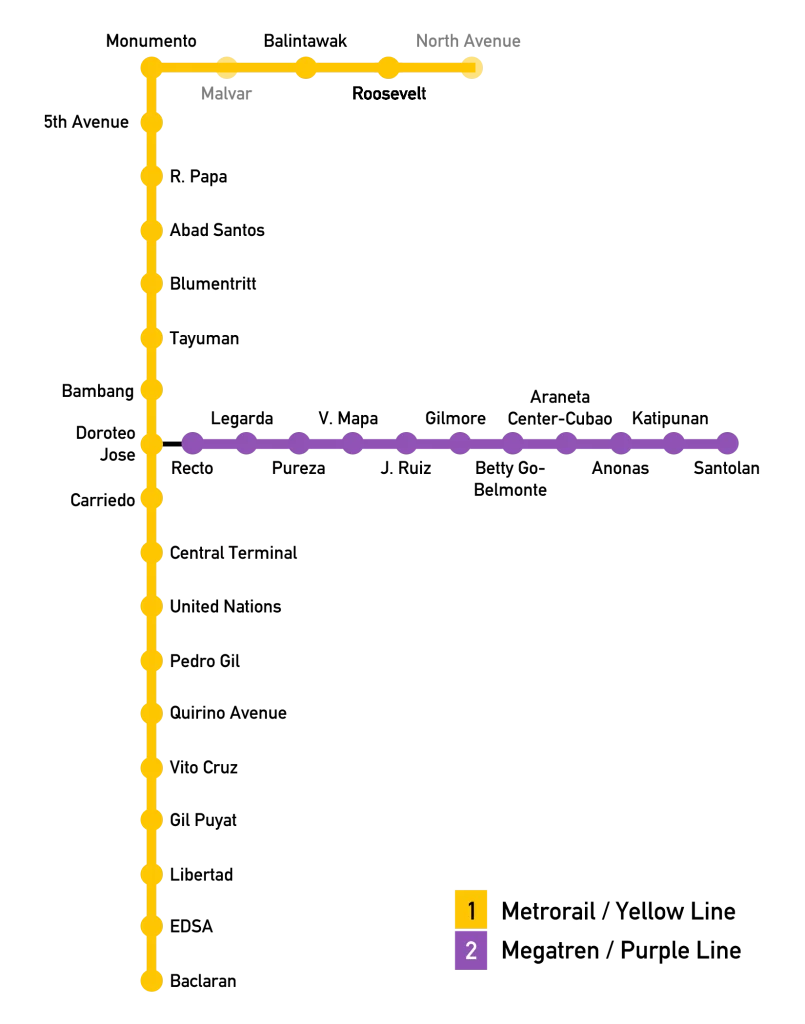
1. Baclaran Station – Our journey begins at Baclaran Station, located in the heart of Baclaran district. This bustling area is famous for the Baclaran Church, a pilgrimage site dedicated to Our Mother of Perpetual Help. The Baclaran Market nearby is a hive of activity, offering everything from fresh produce to religious items, reflecting the area’s vibrant local culture.
2. EDSA Station – Moving northward, we arrive at EDSA Station, named after Epifanio de los Santos Avenue. This station serves as a gateway to the Mall of Asia complex, one of Asia’s largest shopping centers. Here, modernity meets tradition, as shoppers explore a vast array of retail outlets, dining options, and entertainment venues.
3. Libertad Station – Next, we reach Libertad Station, where travelers can visit the Libertad Market, a bustling hub of local commerce. This area is known for its lively atmosphere and diverse culinary offerings, making it a favorite among locals and visitors alike.
4. Gil Puyat Station – Formerly known as Buendia Station, Gil Puyat Station is situated in the heart of Makati’s central business district. Skyscrapers dominate the skyline here, housing multinational corporations, financial institutions, and upscale shopping centers, epitomizing Manila’s modern urban landscape.
5. Vito Cruz Station – Continuing our journey, Vito Cruz Station offers convenient access to De La Salle University and the cultural district of Malate. This vibrant area is known for its art galleries, theaters, and eclectic dining scene, attracting students, artists, and tourists alike.
6. Quirino Station – Named after former President Elpidio Quirino, Quirino Station is located near the Cultural Center of the Philippines complex and Manila Bay. Visitors can enjoy scenic views of the bay and explore nearby landmarks such as Rizal Memorial Stadium and Harrison Plaza.
7. Pedro Gil Station – Pedro Gil Station is our next stop, providing access to the historic districts of Ermita and Paco. Here, you can explore cultural landmarks like Paco Park and the Malate Church, offering a glimpse into Manila’s colonial past and architectural heritage.
8. United Nations Station – As we approach the northern terminus of the LRT-1 line, we arrive at United Nations Station. This station is named after United Nations Avenue and provides access to government offices and diplomatic missions, underscoring Manila’s role as a diplomatic hub.
9. Recto Station – Finally, our journey concludes at Recto Station. This bustling interchange connects LRT-1 with LRT-2 (Recto Station) and serves as a gateway to bustling commercial areas like Divisoria and Quiapo. Named after the legendary Filipino actor and cultural icon Fernando Poe Jr., this station is a fitting endpoint for our exploration of Manila’s vibrant neighborhoods and diverse communities.
Enhancements of LRT-1
Privatization and Modernization: In the late 1990s, the operation and maintenance of LRT-1 were privatized under a concession agreement, aiming to enhance efficiency and service quality.
Renovation and Upgrades: Throughout its operational history, LRT-1 has undergone various renovations and upgrades to improve facilities, safety features, and passenger comfort. Modernization efforts included the introduction of newer train sets and station improvements.
Impact and Legacy of LRT-1
Urban Development: LRT-1 has played a crucial role in shaping Manila’s urban landscape, facilitating economic growth and development along its route. The rail line has spurred commercial activities and real estate development in its vicinity, contributing to the city’s economic dynamism.
Integration and Expansion Plans: Future plans for LRT-1 include further extensions and integration with other transit systems in Metro Manila, aiming to enhance connectivity and reduce travel times for commuters across the metropolitan area.
Conclusion: The LRT1 not only connects commuters across Metro Manila but also serves as a cultural bridge, showcasing the city’s diverse neighborhoods and historical landmarks. Each station along this route tells a unique story, weaving together Manila’s past and present. Whether you’re a history enthusiast, a foodie, or simply exploring the city, the LRT1 stations offer a captivating journey through Manila’s heritage and urban landscape.