LRT-1 Stations in Order | The Ultimate Guide Is Here
LRT-1 Stations in Order | The Ultimate Guide Is Here
LRT-1 Stations in Order | The Ultimate Guide Is Here
SHARE THIS ARTICLE
RECENT ARTICLES
Unleash the potential of your business with Ex-works
Ex-works has assisted companies globally in imports and exports. Allow us to handle all your shipments so you do not face any challenges during the customs clearance process in the Philippines. We also offer customs clearance services at a small cost if you need to deliver urgently and save time. Open an account today with Ex-works, and let us assist your business in overcoming the obstacles of international customs.
SHIP IN MORE THAN 180 COUNTRIES
-
Wholesale Rate
-
Global Network
-
Online Tracking
-
Simplified Shipping
GROW YOUR BUSINESS FROM ANYWHERE.
SUBSCRIBE TO EX-WORKS24/7 NEWS LETTER
LRT-1 Stations in Order - Your Guide to Exploring Metro Manila
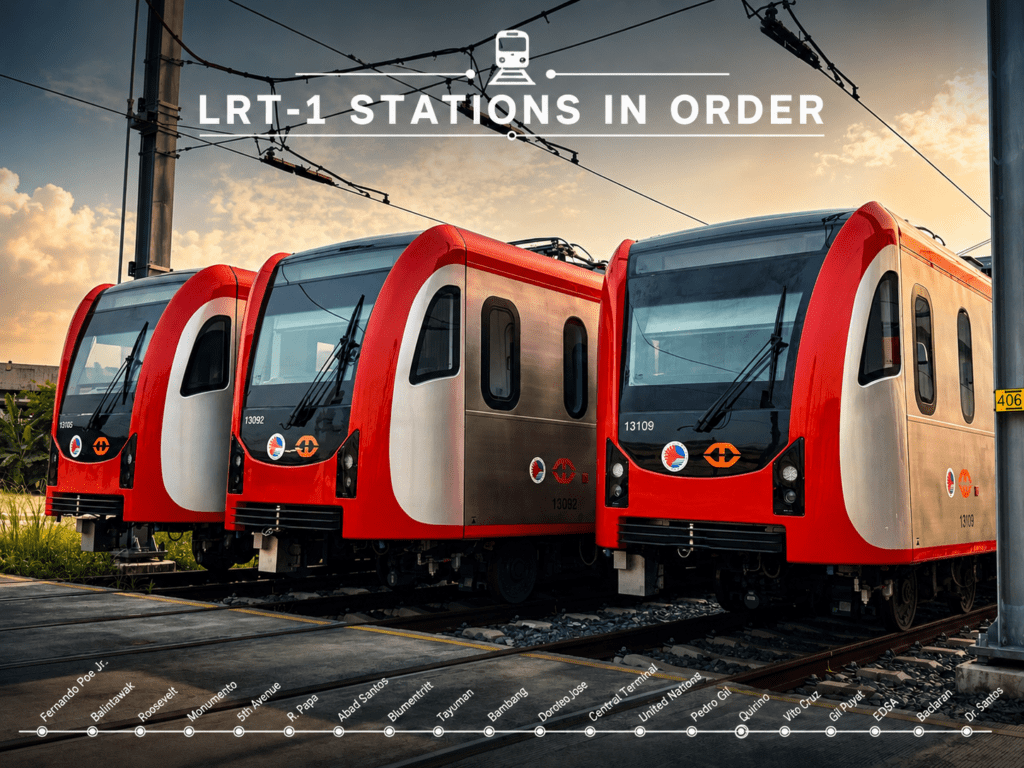
The Light Rail Transit Line 1 (LRT-1 Stations) is a major Metro Manila train line. It connects northern and southern cities, stretching from Parañaque to Quezon City. Thousands of daily commuters rely on LRT-1 for fast urban travel. It offers direct access to key business districts, cultural landmarks, and heritage sites. Key stations like Baclaran, EDSA, Gil Puyat, and Central Terminal showcase vibrant Manila urban life.
LRT-1 Inauguration and Expansion
The inaugural segment of LRT-1 stations, running from Baclaran to Monumento, commenced operations on December 1, 1984, marking a significant milestone in Manila’s transit history. This initial phase greatly improved connectivity across the city, benefiting commuters with enhanced accessibility. Subsequent expansions over the years responded to rising passenger needs by extending the line northwards towards Monumento and later Roosevelt, further integrating LRT-1 into the northern areas of Metro Manila.
Train Stations from Quezon City
Fernando Poe Jr. Station – Fernando Poe Jr. station is known for busy local markets. Furthermore, it connects travelers to large shopping malls. Additionally, this terminal sits near major roads.
Balintawak Station – Balintawak station is famous for fresh food trading. Moreover, it links people to commercial hubs easily. Meanwhile, shoppers enjoy visiting nearby retail centers.
Train Stations from Caloocan City
Monumento Station – The Monumento Station is celebrated for the historic Bonifacio monument. Besides that, it offers heavy transport transfers. Therefore, thousands of daily commuters pass through.
5th Avenue Station – The Fifth Avenue Station is recognized for growing residential communities. In addition, it provides access to local schools. Consequently, students frequently use this stop.
Train Stations from Manila City
R. Papa Station – The R. Papa Station is known for quiet urban neighborhoods. Moreover, it serves local medical facilities nearby. Thus, residents find it very convenient.
Abad Santos Station – The Abad Santos Station is popular for traditional food spots. Furthermore, it connects visitors to historic cemeteries. Meanwhile, local commuters avoid heavy road traffic.
Blumentritt Station – The Blumentritt Station is famous for bustling street markets. In addition, it links passengers to railway transfers. Therefore, the area is constantly crowded.
Tayuman Station – The Tayuman Station is known for major health offices. Besides that, shoppers visit nearby commercial centers. Consequently, daily foot traffic remains high.
Bambang Station – The Bambang Station is recognized for medical supply stores. Moreover, students travel here for nearby universities. Meanwhile, buyers find affordable healthcare goods.
Doroteo Jose Station – The Doroteo Jose Station is famous for line transfers. Furthermore, it connects riders to busy shopping districts. Therefore, many students utilize this stop.
Carriedo Station – The Carriedo Station is known for heritage shopping streets. In addition, it sits near historic churches. Consequently, tourists love exploring this district.
Central Terminal Station – The Central Terminal Station is celebrated for government offices. Moreover, it stands beside a green park. Meanwhile, commuters enjoy the open spaces.
United Nations Station – The United Nations Station is known for historic public parks. Besides that, major hospitals operate nearby. Therefore, medical workers use it often.
Pedro Gil Station – The Pedro Gil Station is popular for lively commercial spots. Furthermore, large universities surround the area. Consequently, youth crowds gather here daily.
Quirino Station – The Quirino Station is recognized for historic city landmarks. In addition, local residents visit nearby zoos. Meanwhile, travelers enjoy the coastal views.
Vito Cruz Station – The Vito Cruz Station is famous for premier sports complexes. Moreover, massive student populations study nearby. Therefore, the neighborhood feels very youthful.
Train Stations from Pasay City
Gil Puyat Station – The Gil Puyat Station is known for major bus terminals. Besides that, commercial offices dominate the district. Consequently, working professionals pack the platform.
Libertad Station – The Libertad Station is popular for local retail markets. Furthermore, community residents rely on its services. Meanwhile, shoppers find great budget deals.
EDSA Station – The EDSA station is celebrated for major transit connections. In addition, large shopping malls sit nearby. Therefore, passenger exchanges happen continuously.
Baclaran Station – The Baclaran station is famous for massive bargain bazaars. Moreover, huge spiritual churches draw large crowds. Consequently, weekend visitors fill the streets.
Train Stations from Parañaque City
Redemptorist-Aseana Station – The Redemptorist-Aseana Station is known for modern entertainment complexes. Besides that, it serves growing business districts. Therefore, corporate workers benefit greatly.
MIA Road Station – The MIA Road Station is recognized for airport access routes. Furthermore, travelers use it to catch flights. Meanwhile, nearby hotels host international guests.
PITX Station – The PITX Station is famous for intermodal transport hubs. In addition, provincial buses stop right here. Consequently, regional commuters transition smoothly.
Ninoy Aquino Avenue Station – The Ninoy Aquino Avenue Station is known for commercial property developments. Moreover, it links neighborhoods to expressways. Therefore, local traffic flows better.
Dr. Santos Station – The Dr. Santos Station is celebrated as a southern terminus. Besides that, it serves expanding residential communities. Consequently, daily ridership continues to grow.
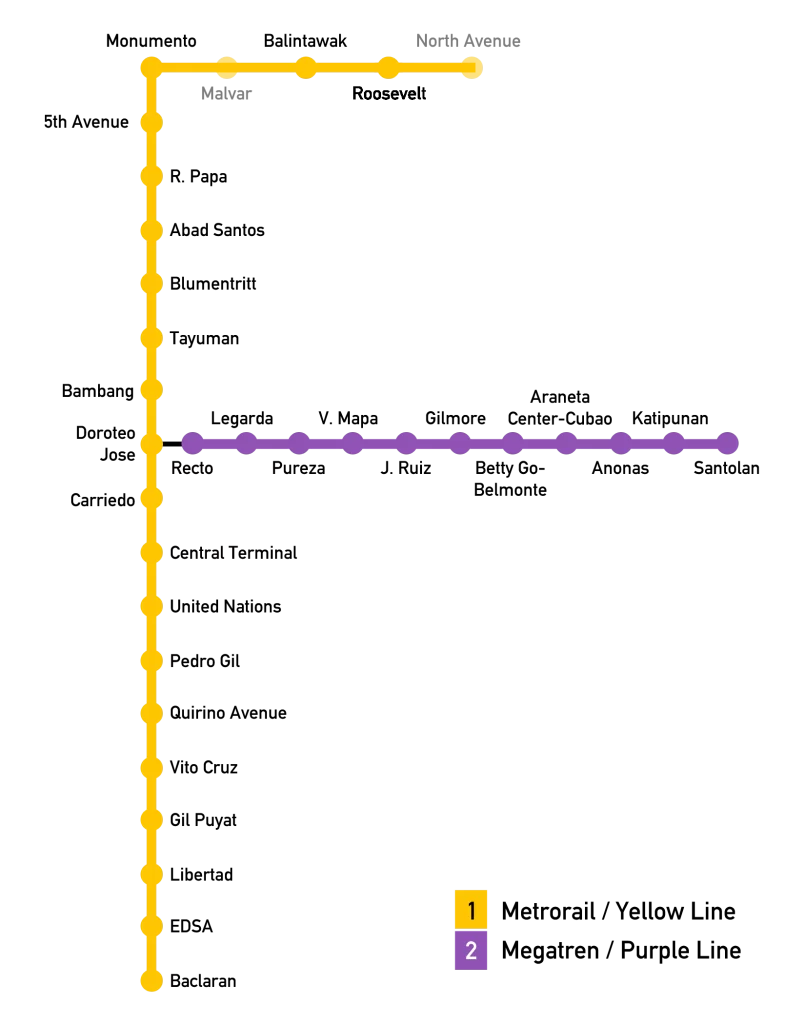
How to Ride LRT 1
First, go to any LRT-1 stations. Second, buy a single ticket or use a beep card. Third, pass the security check. Fourth, tap your card at the turnstile gate. Fifth, wait on the platform for your train. Finally, board the train and exit at your stop.
Enhancements
Privatization and Modernization: In the late 1990s, the operation and maintenance of LRT-1 were privatized under a concession agreement, aiming to enhance efficiency and service quality.
Renovation and Upgrades: Throughout its operational history, LRT-1 has undergone various renovations and upgrades to improve facilities, safety features, and passenger comfort. Modernization efforts included the introduction of newer train sets and station improvements.
Impact and Legacy
Urban Development: LRT-1 stations has played a crucial role in shaping Manila’s urban landscape, facilitating economic growth and development along its route. The rail line has spurred commercial activities and real estate development in its vicinity, contributing to the city’s economic dynamism.
Integration and Expansion Plans: Future plans for LRT-1 include further extensions and integration with other transit systems in Metro Manila, aiming to enhance connectivity and reduce travel times for commuters across the metropolitan area.